The first stage—hostage release and temporary ceasefire—is achievable under international pressure, but full implementation—disarmament, power transfer, and long-term peace—requires deeper negotiations, trust-building, and concessions on both sides.
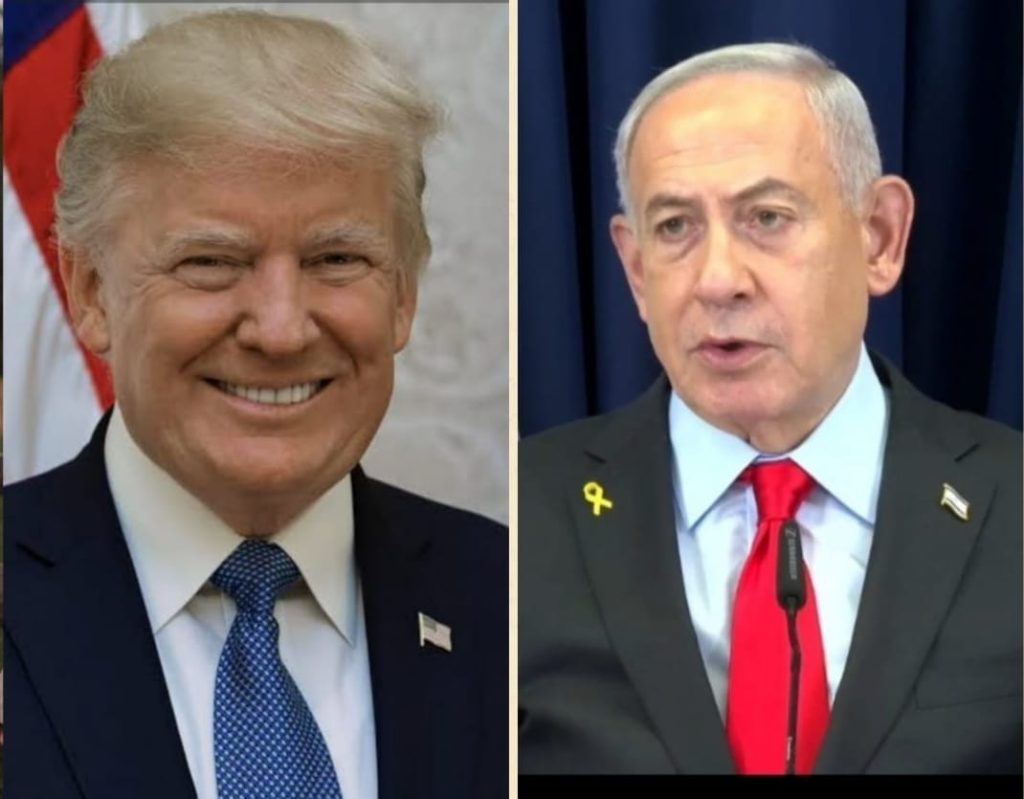
Israeli Prime Minister Benjamin Netanyahu has announced that Israel is preparing to implement the first phase of U.S. President Donald Trump’s peace plan to end the nearly two-year war in Gaza. A statement from Netanyahu’s office confirmed full cooperation with the U.S. initiative, which seeks to halt hostilities and secure the release of remaining hostages taken in the October 7, 2023, Hamas-led attack, according to reports.
Trump, on Friday, ordered Israel to immediately cease bombing Gaza, citing Hamas’s partial acceptance of the proposal. Hamas has agreed to key elements, including releasing hostages and ceding power to other Palestinian factions, but emphasised that some provisions require internal Palestinian dialogue and consensus. While Trump praised Hamas’s statement as a sign they are “ready for a lasting peace,” major Israeli demands—most notably Hamas’s disarmament—remain unresolved. Trump’s involvement comes amid a U.S. election cycle, raising questions about political motivations.
“Hamas must agree to this deal by Sunday evening,” Trump warned, threatening a devastating military response if talks collapse. He emphasised that halting airstrikes is critical to ensuring safe hostage releases. “There will be peace in the Middle East one way or another,” he added.
Trump’s plan proposes that Hamas release the remaining 48 hostages—around 20 believed to be alive—within three days, surrender control of Gaza, and disarm. In return, Israel would suspend its military offensive, withdraw from most of Gaza, and release hundreds of Palestinian prisoners. Humanitarian aid would be allowed in, and reconstruction efforts would begin. Notably, previously discussed relocation plans for Gaza residents would be scrapped.
The proposal envisions Gaza under international governance, jointly overseen by Trump and former British Prime Minister Tony Blair. However, it lacks a roadmap for unifying Gaza with the West Bank under a future Palestinian state—a core Palestinian demand. Hamas insists any lasting solution must reflect a collective Palestinian stance and comply with international law.
The Israeli Hostage Families Forum welcomed Trump’s intervention, calling a ceasefire essential for the captives’ safe return and urging Netanyahu to start negotiations immediately.
Still, skepticism remains. Hamas official Mousa Abu Marzouk stated the plan cannot proceed without comprehensive talks. While Hamas is open to trading hostages for Palestinian prisoners and transferring governance to an independent Palestinian body, it remains silent on disarmament—a non-negotiable for Israel.
Since the conflict began with Hamas’s 2023 attack, over 66,000 Palestinians have been killed in Israel’s retaliation, according to Gaza’s Health Ministry. Around 90% of Gaza’s population has been displaced, leaving the region largely uninhabitable.
Optimism and scepticism
Trump’s plan has sparked cautious optimism but faces major hurdles. Israel’s agreement to begin implementing the first stage signals willingness under U.S. pressure. Hamas’s partial acceptance—offering to release hostages and transfer power—suggests negotiations are possible.
However, core issues remain unresolved. Hamas has not agreed to disarm, and several aspects of the deal require broader Palestinian consensus, risking delays. Palestinians may also view the plan as favoring Israel and failing to offer a path to statehood or Gaza–West Bank reunification.
“Netanyahu’s agreement to implement the first stage shows Israel is open to the plan, likely under U.S. pressure,” says an analyst, following the developments. “But Hamas’s refusal to disarm and the lack of unified Palestinian leadership complicate implementation. Years of broken ceasefires have eroded trust. A simultaneous hostage release and troop withdrawal would require tight coordination—logistically and politically challenging.”