by Jayanta Ghosal
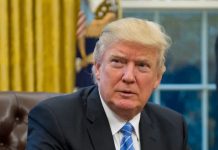
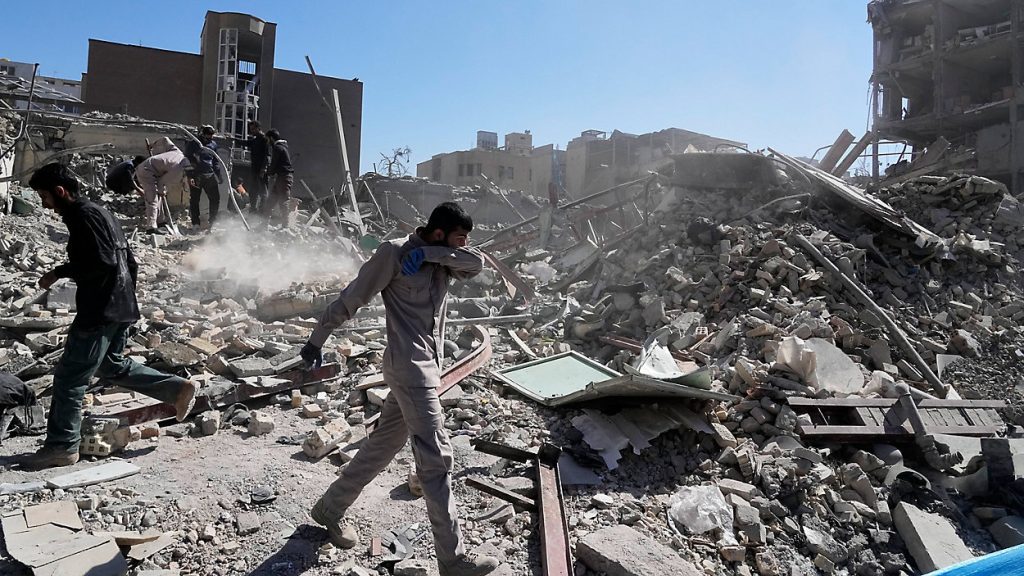
Donald Trump, the president of the United States, famously claimed to have prevented eight conflicts. He was credited with averting eight conflicts. That made him an aspirant for the Nobel Peace Prize. Additionally, an attack on Iran occurred during the time of peace negotiations, as directed by the same Donald Trump. Who was the primary attacker? Israel. America and Israel worked together to execute it. They had already invaded Iran together and caused damage eight months prior. Numerous Iranian army officials lost their lives. Even Iran’s nuclear program has caused Israel and the United States a great deal of trouble. That, too, they had attacked. However, Ayatollah Ali Khamenei, Iran’s supreme religious leader, was assassinated this time.
Both Trump and Benjamin Netanyahu, Israel’s Prime Minister, view this as excellent news. Iran’s ballistic and nuclear programs continued under Khamenei. Khamenei had restricted Iranian citizens’ rights. They desired Iran’s existing Islamic government to be overthrown. They sought an Iranian administration that would not pose a threat to them and would prevent Iran from developing ballistic missiles and nuclear weapons. In other words, Khamenei was a threat to the US and its citizens. Following the Islamic Revolution in 1979, Iran’s 38-year Pahlavi monarchy came to an end, and Islamic governance took over. Khamenei had said that America was plotting to overthrow him after all these years. However, the recent events demonstrate that the war has not ended, as Iran has once more threatened to invade.
Iran, according to modern history, does not lower its head. Israel and numerous Western nations opposed Iran under US guidance. Iran, however, is against this circumstance. Iran has initiated counter-operations, and it appears that it won’t stop. Iran, moreover, is also pursuing retaliatory strikes. The subject of Iran’s future course is now very important. This is because, after 47 years, this is the largest challenge facing the Islamic Republic. What is being watched is whether Iran will now approach Trump with some understanding rather than conflict, or whether it will respond differently. The question of who will be the next man is also becoming increasingly difficult. One thing is certain, though: the Third World War may not be occurring in reality. However, several types of wars are raging all over the world.
Russia and Ukraine, for example. NATO is supporting Ukraine in the conflict between Russia and Ukraine. Once more, the United States frequently threatens to attack Taiwan. China and Taiwan are still at odds. And America declares, “We’re going to conquer Taiwan.” China and the United States are experiencing a new strain. In addition, there are issues with Tibet. There has also been conflict between Pakistan and Afghanistan. Both Afghanistan and Pakistan are Muslim nations. India and Pakistan are still at odds. However, ties between India and the Afghan Taliban regime have now improved. Jaishankar recently met with the foreign minister of the Taliban. Therefore, there used to be the First World and the Second World in such a scenario—one allied bloc, which is a collection of friendly nations, and another opposed to the bloc. The new power balance that developed following the Cold War is no longer in place. America and China are now creating a new axis: America vs China. Russia is with China. Bangladesh and Pakistan likewise support China and Russia. India, a large country, is very confused. Since Iran is on one side, we also cannot deteriorate our ties with them. Since India used to import oil from Russia, Iran, and the United States, it must now buy almost 80% of its oil from the international market. Why should only one nation provide it to India? India should only accept it from America, according to America. The United States is blocking both Iranian and Russian imports. India is struggling in the midst of all of this. It is attempting to continue as a non-aligned nation while preserving ties with China and the United States. However, these intermittent conflicts—and war is never limited—are occurring despite the lack of an organised Third World War. One feature of war is that no one can predict when it will end.
The entire world is therefore engaged in a global conflict, even though the Third World War is not formally recognised. Additionally, war poses a threat to civilisation. Violence is the result of war. War hinders human progress. What are we seeking? We desire education and progress. Human welfare is negatively impacted by war. Share markets have plummeted there, and possibly all over the world. The price of gold is increasing. Inflation and price increases. So, are we in the middle of another civilizational crisis? Although the United Nations is an organisation, what part does it play in bringing about peace? People with awareness are against war. War is something that only certain leaders desire. Are they truly acting in humanity’s best interests?