
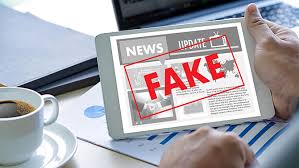
When social media arrived, it was hailed as a treasure trove that would make everyone well-informed. But slowly, its reality unfolded. Today, nearly 70 per cent of the information circulating on social media is either fake or unverified. Clearly, forming opinions or sharing such content has become a risky affair—sometimes even landing people in legal trouble.
Despite the government introducing laws to curb fake news, its dominance persists. From politics to Bollywood and beyond, misinformation is weaponised to sling mud and shape narratives.
A recent investigative article in Falmouth University’s journal by senior journalist Dr Kit Chapman sheds light on how widespread this menace is, warning that unchecked information can easily spread far and wide. Chapman urges journalists to adopt five key steps to ensure accuracy and impartiality:
- Has the information been fact-checked before?
- Does it seem credible enough to be quoted?
- What does the actual data say?
- Is the claim truly as presented?
- Could this be deliberate deception?
Veteran journalist Om Thanvi adds, “The flow of fake news is so massive that people often believe even malicious propaganda to be genuine. Many reputations have been tarnished beyond repair because of this disinformation.” His advice: learn to distinguish between fact and fiction.
The impact has been profound. A sustained social media campaign of fake messages tarnished Rahul Gandhi’s image, branding him “Pappu.” Similarly, in West Bengal, misinformation claimed that Chief Minister Mamata Banerjee wanted to turn the state into a “Muslim nation.” Such falsehoods, amplified with edited videos and fabricated data, fooled even educated audiences.
The line between fact and fabrication is now so blurred that it becomes nearly impossible to distinguish one from the other—especially during crises. Consider the Covid-19 pandemic, which saw an avalanche of fake updates. Even during recent wars worldwide, misleading visuals and claims went viral, and TV channels weren’t immune either.
Tools like RTI and platforms like fact-check initiatives exist to verify information, yet most people seldom bother. Political propaganda and hate-driven misinformation spread fast because they are packaged to shock. But remember: peddling fake news is a crime—and punishable by law.