In a case that has gripped India and drawn the attention of international human rights groups, Kerala-born nurse Nimisha Priya is now just two days away from execution in Yemen. As the deadline looms—July 16—legal teams, diplomats, and her family are scrambling to negotiate her release through blood money, the only remaining legal option under Yemeni law.
Nimisha Priya, 37, hails from Palakkad district in Kerala. She moved to Yemen in 2008 to work as a nurse and later opened a clinic with the help of a Yemeni national, Talal Abdo Mahdi. Over time, their partnership reportedly turned coercive. Priya has alleged that Mahdi subjected her to abuse, forged her signature to take control of her clinic, and confiscated her passport—trapping her in Yemen.
In a desperate bid to flee the country and reclaim her passport, Priya administered sedatives to Mahdi in July 2017. The plan went awry—Mahdi died from an apparent overdose. In a panic, Priya and an associate dismembered his body and concealed the remains in water tanks at her residence. She was arrested shortly afterward.
In 2018, a Yemeni court found Nimisha Priya guilty of murder and sentenced her to death. Despite multiple appeals—including one before Yemen’s Supreme Judicial Council in November 2023—the conviction and capital sentence have been upheld.
India does not have formal diplomatic relations with Yemen due to the ongoing civil war, which has made negotiations difficult. The Indian government has acknowledged these diplomatic constraints in the Supreme Court, stating that it has exhausted all formal channels and that further action must occur through private negotiations.
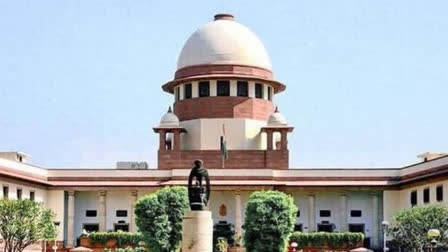
Today, Supreme Court of India held an urgent hearing on a plea filed by Priya’s mother, urging the government to intervene diplomatically. Attorney General R. Venkataramani told the court that Yemen considers the matter “entirely private” and “internal,” leaving India with little leverage.
“The only recourse left is to settle the matter through blood money,” Venkataramani said. Under Sharia law, the victim’s family can agree to pardon the accused in exchange for financial compensation. But Mahdi’s family has so far refused offers—reportedly up to Rs 8.6 crore (USD 1 million).
The next hearing has been scheduled for July 18—two days after the planned execution.
Priya’s mother and representatives of the Save Nimisha Priya Action Council are currently in Sana’a, attempting to negotiate directly with Mahdi’s family and local tribal leaders. These private efforts include raising the blood money offer and seeking mediation from influential Yemenis.
“We are still hopeful. The tribal negotiations are delicate but ongoing,” said a family representative speaking from Yemen.
However, the urgency of the situation cannot be overstated. With only 48 hours remaining, activists fear there may not be enough time for a breakthrough.
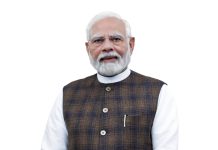
Meanwhile, Kerala Chief Minister Pinarayi Vijayan has written to Prime Minister Narendra Modi, urging “urgent and necessary intervention” to halt the execution.
Congress leader KC Venugopal also appealed to the PM, calling the issue “a matter of national concern.”
Back home, protests and vigils continue in Kerala. Human rights activists have argued that Priya never received a fair trial—she was not provided a translator or adequate legal aid—and her mental and emotional state at the time of the crime was never properly assessed.
For Priya’s 12-year-old daughter, now living in India, time is slipping away. “I want my mother back,” she said in a recent emotional video, broadcast by several Indian news channels.
Meanwhile, Priya remains on death row in a Yemeni prison, reportedly unaware of the exact timing of her execution.
Unless the victim’s family accepts the blood money or a last-minute diplomatic miracle occurs, Nimisha Priya may be executed by firing squad on July 16. The case has become a lightning rod for debates on diplomacy, justice, and the rights of Indian migrant workers abroad—raising hard questions about how far a government can, or should, go to save its citizens in foreign legal systems.