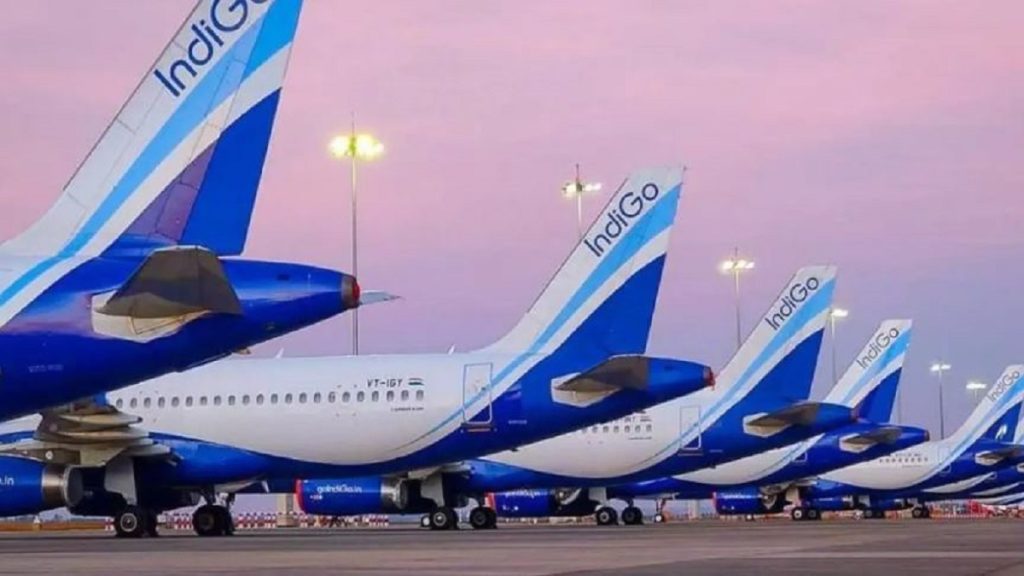
The sudden aviation collapse triggered by IndiGo in December 2025 is not just an airline failure—it is a national governance crisis that has shaken public confidence in one of India’s most celebrated sectors. What began as “operational disruption” soon became one of the most humiliating mass experiences ordinary Indians have faced in a decade. Thousands of flights were suddenly cancelled, passengers were stranded for days, elderly people slept on cold airport floors, patients missed medical procedures, and families could not attend funerals or weddings. Students missed examinations, professionals missed job interviews, and NRIs returning home for family emergencies were left helpless or forced to take trains after paying airfare.
For a country that proudly calls itself the world’s fastest-growing aviation market, this complete collapse exposed how dangerously unprepared India remains in terms of passenger safety, coordination, accountability and consumer protection.
IndiGo’s official argument was that the implementation of Flight Duty Time Limit rules—which were designed to prevent pilot fatigue—created scheduling pressure. These rules were introduced in phases and required longer rest periods for pilots, especially during night operations. The truth however is that these rules were announced well in advance. A responsible airline, especially one that controls more than sixty percent of domestic aviation, should have recruited additional pilots, created reserve manpower and prepared new rosters in time. Instead, IndiGo continued to operate on thin staffing to maximise profits during peak seasons. When the rule finally tightened and weather issues added pressure, the system collapsed like a house of cards.
What was worse was the way India reacted. In mature aviation markets, even when large disruptions take place, airlines immediately activate standby crew, emergency aircraft, passenger support desks, transparent communication, hotel accommodation and rerouting arrangements. Most importantly, they are legally bound to compensate passengers fairly and automatically. India, by contrast, witnessed a collapse without warning, without preparation and without any meaningful emergency plan.
Passengers were left without communication, without emergency support desks, without hotel options and without any meaningful assistance for senior citizens. Instead, fares shot up brutally across sectors. Flights costing ₹7,000 suddenly became ₹25,000 or even more. Airlines practically gouged passengers during a crisis, turning national mobility into a financial trap.
This entire episode has revealed a deeper structural danger—India depends excessively on one dominant carrier. When a single airline handles more than half the national aviation load, its failure automatically becomes a national calamity. Unlike the United States or Europe where competition distributes risk, India has allowed a monopoly-like situation to emerge without building equal strength among other carriers. One mistake by IndiGo became a national breakdown.
And make no mistake, this was a created crisis—not a natural one. It was the result of excessive commercial greed, extreme cost-cutting and ruthless manpower planning. In aviation, minimum staffing and zero redundancy are not efficiency—they are negligence. Running an essential national mobility service like a budget experiment is dangerous.
The human suffering involved cannot be described in technical language. A funeral missed is an emotional trauma, not a travel inconvenience. A hospital appointment missed could be life threatening. A competitive exam lost may shape someone’s future forever. Yet our aviation rules treat everything like a ticket cancellation, to be solved by a symbolic refund and a meaningless email.
Unlike countries where passengers receive automatic compensation, hotel accommodation and alternative travel during aviation failures, Indian passengers were effectively abandoned and told to “apply for refunds later.” Families buying air tickets ended up travelling in overcrowded trains. Elderly people slept on cold tiles. Children cried in terminals after waiting ten hours without information.
Aviation in India has become an emotionally blind sector where public suffering has no legal meaning.
This crisis must become the turning point.
India now needs a complete aviation protection law—one that recognises emotional trauma, lost family events, missed medical procedures and social emergencies as compensable harm. We need legislation that requires airlines to pay compensation automatically, within fixed timelines, and under independent monitoring.
The government fare caps during the crisis may have prevented extreme exploitation, but fare caps alone are cosmetic solutions. Unless India imposes strict pricing transparency rules, airlines will continue to charge whatever they like during demand peaks and emergencies. The government must legally restrict fare hikes during crisis periods and enforce automatic anti-gouging mechanisms.
Most importantly, aviation needs an administrator system.
Just as banks can be placed under administrators when they threaten systemic stability, airlines that mishandle national mobility must come under a temporary aviation administrator. This administrator should have powers to reorganise flight schedules, force emergency staffing, coordinate alternate travel, ensure compensation, and restructure airline operations until stability is restored.
Without this, every major airline will continue believing that no matter what happens, the government will bail it out while passengers pay the real price.
Going forward, India must adopt the following reforms:
• A Passenger Rights & Compensation Law
• Automatic compensation for cancellations
• Emotional and mental harm recognised legally
• Crisis price-control rules
• Real-time passenger assistance desks
• Aviation ombudsman with enforcement powers
• Annual aviation stress tests
• Diversification of air carriers
• Strict manpower and safety requirements
• Transparent fare reporting and penalties
India claims it wants to become an aviation hub for Asia. But no hub can be built on chaos, helpless passengers and absent accountability. Dreams of aviation hub status cannot fly on exhausted pilots, abandoned travellers and monopoly-driven crises.
People deserve reliable skies. Passengers deserve justice. Aviation must treat citizens not as revenue but as human beings with dignity.
The IndiGo collapse should be remembered not as a temporary inconvenience but as the national moment when we understood that aviation is not merely a business—it is a public responsibility, a national service and a matter of human rights.
Unless India acts now with strong laws, independent regulation, and real administrative intervention, this crisis will repeat—and next time, the damage may be even worse.
(The Author is Editor, STAR Views & Editorial Advisor, Top Story)