The alleged suicide by senior Haryana IPS officer Y. Puran Kumar has the potential to echo far beyond the boundaries of Chandigarh and Haryana. His nine-page note — alleging caste-based harassment, public humiliation, and systemic discrimination — has hit a raw nerve and with Bihar heading into elections, the political tremors may be felt there as well.
With its deeply entrenched caste structure, Bihar is highly sensitive to such events. Dalits make up around 16% of the state’s population, and their votes often determine the outcome of closely contested seats. Puran Kumar represented a success story in a system still skewed against marginalised communities, and BJP’s rivals are now calling his death and the circumstances around it proof that even those who rise through merit are not spared casteist oppression.
The Congress has labelled the incident a reflection of the BJP’s “Manuvadi” mindset. In Bihar, where Congress is allied with the RJD under the INDIA bloc, this fits their long-standing pitch around social justice. RJD leaders too are likely to use it to consolidate Dalit and backward caste votes.
“The incident reinforces the narrative of institutional caste oppression, which can be powerfully used by parties like the RJD and the Congress to galvanise Dalit voters. The BJP’s ally in Bihar — Nitish Kumar’s JD(U) — has a base among EBCs (Extremely Backward Castes) and some Dalits. If not handled sensitively, this case may erode trust among Dalits toward the ruling alliance, especially if the BJP is seen as indifferent or defensive,” say observers.
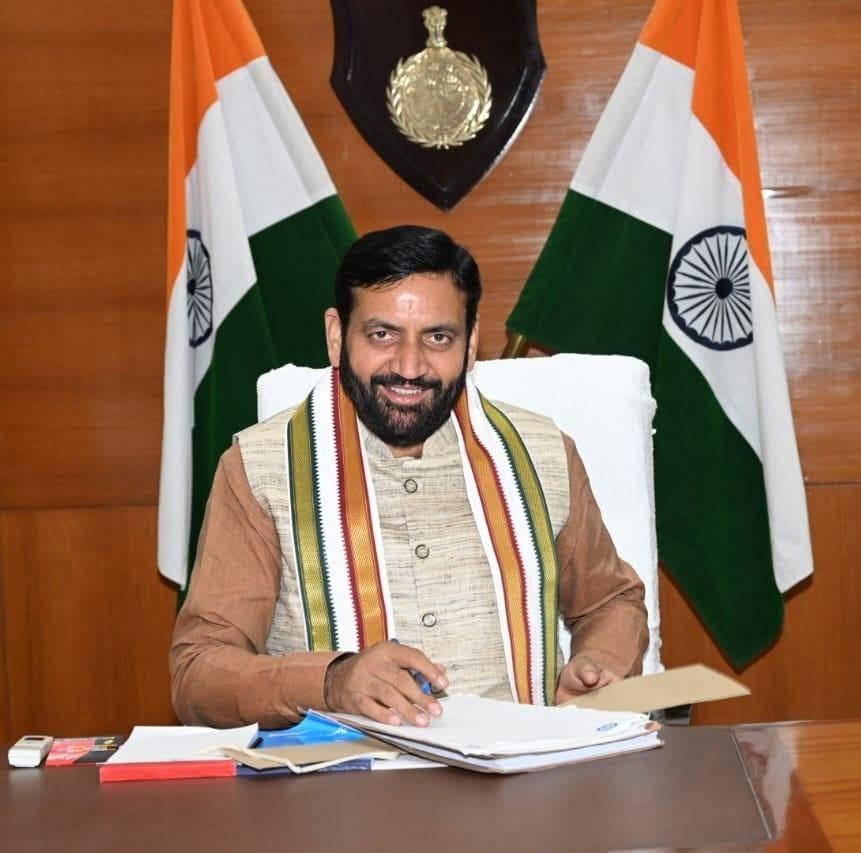
Though the incident occurred in Haryana, caste injustices resonate deeply in Bihar’s political landscape, becoming a potential flashpoint in election speeches. If opposition parties sustain the narrative and mobilise Dalit communities effectively, the Nayab Singh Saini government’s handling of the IPS officer’s death may influence perceptions of the BJP in Dalit-majority or caste-sensitive constituencies in Bihar. Timing will be crucial — especially if the investigation drags or is seen as lacking credibility.
Senior Haryana IPS officer Y. Puran Kumar, a 2001 batch officer, was found dead in his Chandigarh residence, apparently by suicide, sending shockwaves through bureaucratic and police circles. In his nine-page “final note” he named several senior officials — both IPS and IAS — accusing them of mental harassment, caste discrimination, administrative bias, and consistent public humiliation.
In response, Chandigarh Police registered an FIR against those named, invoking abetment to suicide and provisions of the SC/ST (Prevention of Atrocities) Act. The National Commission for Scheduled Castes has also taken suo motu cognisance, demanding an action taken report from the Haryana Chief Secretary within a week. Meanwhile, the Haryana government is reportedly considering sending the state’s DGP, Shatrujeet Kapur, on leave amid mounting pressure and scrutiny.
The Saini government is now under intense scrutiny — both over how it handled the harassment claims submitted by Puran Kumar’s wife, IAS officer Amneet P. Kumar, and over whether administrative pressures and caste bias contributed to this outcome.
Amneet lodged a complaint with Chandigarh Police on Wednesday night seeking an FIR against Kapur and Rohtak SP Narendra Bijarnia, and demanded their arrest. She also sought an FIR under BNS Section 108 (abetment to suicide) and provisions of the SC/ST (Prevention of Atrocities) Act.
“This is not a case of ordinary suicide but the direct result of systematic persecution of an honest officer from a Scheduled Caste community by powerful superiors. Justice must not only be done but must be seen to be done — even for families like ours, shattered by the cruelty of the powerful,” the complaint said.