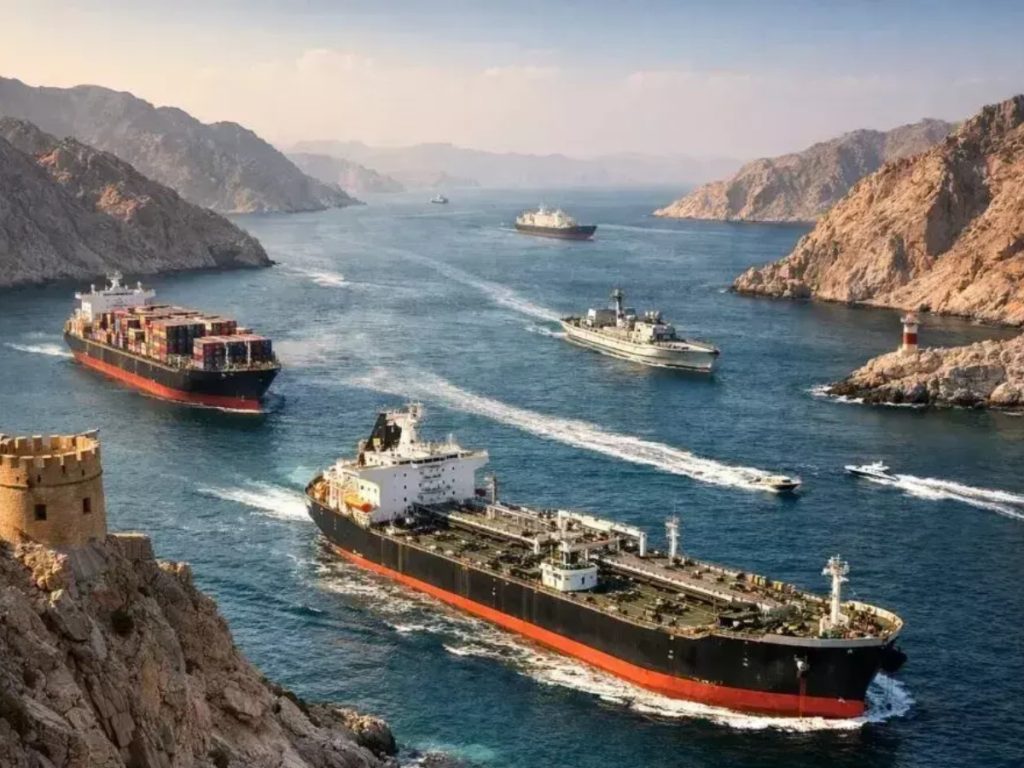
Strait of Hormuz
By Charanjit Ahuja
Amid escalating tensions in West Asia, Prime Minister Narendra Modi has urged India to “be ready like Covid,” signalling the need for preparedness against potential geopolitical and economic shocks stemming from the region’s deepening turmoil.
In recent comments regarding the escalating conflict in West Asia, Prime Minister Narendra Modi issued a stark warning, urging the country to “be ready like Covid.” This statement, though seemingly simple, carries significant implications for India’s preparedness and response in the face of potential geopolitical and economic crises emanating from the ongoing turmoil in West Asia.
The West Asia region, traditionally a critical area of interest for India due to its strategic, economic, and energy-related ties, has been plunged into further instability with the intensification of the US-Iran confrontation and Israel’s military operations in Lebanon. These developments have posed grave concerns not just to the countries involved but to the broader international community, including India. Modi’s statement comes against the backdrop of rising tensions, the possibility of a wider regional conflict, and the economic ripple effects, particularly concerning global oil prices and trade.
India’s deep-rooted ties with West Asia, particularly in terms of energy imports, diaspora relations, and regional security, mean that any significant escalation in the region could have far-reaching consequences for the country. PM Modi’s “Covid” analogy is meant to underscore the urgent need for India to prepare for unforeseen challenges—much like it did during the COVID-19 pandemic.
The COVID-19 pandemic caught the world off guard, and India, like many countries, faced immense challenges in terms of health infrastructure, economic stability, and public safety. However, in the face of the crisis, India managed to quickly adapt, mobilizing resources for vaccination drives, managing economic relief packages, and ensuring that essential services continued. Modi’s warning invokes this experience to prepare the nation for a possible crisis of a similar, unexpected nature but with a geopolitical focus.
The pandemic’s disruption revealed vulnerabilities in India’s global supply chains, energy dependency, and economic resilience. Modi’s message is that India must brace itself for potential shocks in the West Asia region, which could disrupt oil supplies, inflame regional security challenges, or even lead to a broader economic fallout. In other words, just as the nation had to adapt to the global health crisis, India must now be prepared to face a potential geopolitical and economic storm in West Asia.
One of India’s most pressing concerns regarding the West Asia conflict is its reliance on oil imports from the region. West Asia, particularly the Gulf, is home to some of the world’s largest oil producers, and India imports over 60% of its crude oil from the region. Any conflict or escalation could lead to disruptions in the oil supply chain, resulting in soaring fuel prices, inflation, and economic instability.
In this context, PM Modi’s statement emphasizes the need for India to diversify its energy sources, reduce its dependency on oil imports, and bolster its energy security. This may involve accelerating efforts to explore renewable energy alternatives, investing in domestic production, and developing strategic oil reserves that could insulate the country in the event of supply shortages.
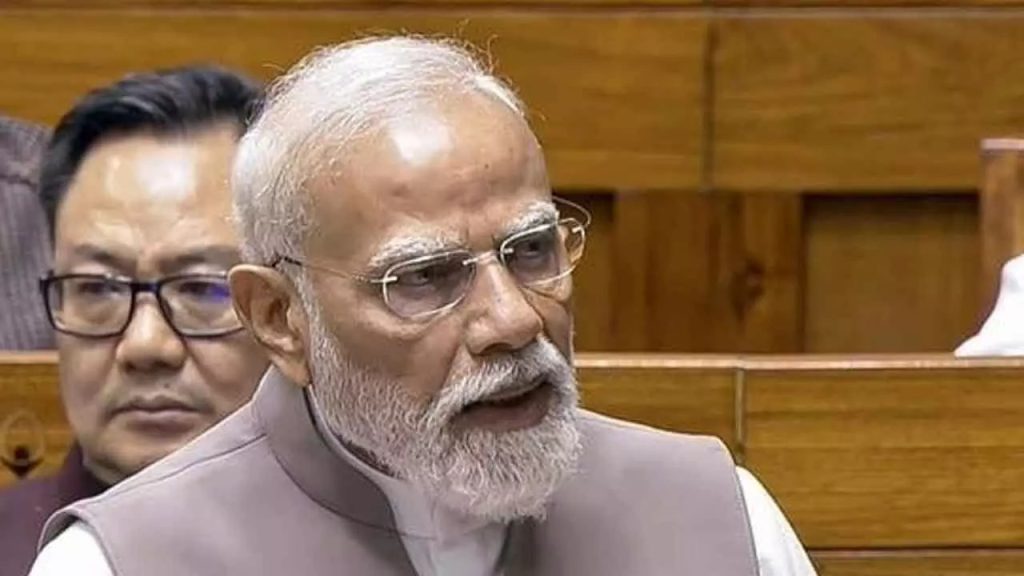
PM Narendra Modi
The West Asia region is also home to a significant Indian diaspora, with nearly 8 million Indians residing in the Gulf countries. A destabilized West Asia could affect the safety and livelihood of millions of Indian expatriates, especially in countries like Saudi Arabia, the UAE, Kuwait, and Qatar. Furthermore, any escalation in the region could result in increased migration flows, placing pressure on India’s social and economic systems.
India must therefore be prepared to protect its citizens abroad, maintain diplomatic channels with key regional players, and ensure that its foreign policy is agile enough to respond to sudden shifts in the regional security landscape. Modi’s “Covid-like preparedness” refers to the need for swift, coordinated action in these areas, just as India acted promptly to repatriate citizens during the pandemic.
The larger takeaway from Modi’s statement is that India must strengthen its domestic resilience, both in terms of economic stability and security preparedness. This means enhancing the country’s defence capabilities to safeguard its interests in the region, securing critical infrastructure, and ensuring that India’s economic systems can weather any shocks emanating from geopolitical disruptions.
Additionally, the government’s focus on self-reliance, encapsulated in the “Atmanirbhar Bharat” initiative, becomes even more relevant. PM Modi’s call to action is, in essence, a push towards building greater internal capabilities—whether in energy, manufacturing, or defence—so that India is less vulnerable to external crises.
PM Modi’s warning to India regarding the West Asia crisis is both timely and prescient. By urging the country to “be ready like Covid,” the Prime Minister is emphasizing the need for a proactive, agile approach to an unpredictable and volatile situation. India’s challenges in West Asia—ranging from oil security to regional stability—demand that the country prepare in advance, diversifying energy sources, protecting its diaspora, and fortifying its economic and security frameworks. The lessons learned from the pandemic—swift action, resilience, and adaptability—are precisely the qualities India will need to navigate the uncertain geopolitical landscape of West Asia.
India’s unique position as a key player in the region highlights how the conflict could affect India’s strategic, economic, and diplomatic interests. This report touches on how India might mediate or influence peace efforts, considering its diplomatic approach to the region.
The ongoing conflict in West Asia continues to evolve in ways that could have profound implications for the region and the broader international community. With the United States and Israel ramping up their military campaigns against Iran and Lebanon, and tensions showing little sign of abating, the situation remains volatile. Against this backdrop, diplomatic efforts to mediate peace are underway, with key players like Pakistan, Turkey, and Egypt stepping into the fray. For India, a nation with long-standing ties to the region, these developments require careful attention—both in terms of security interests and economic ramifications.
The U.S.-Iran conflict, at the heart of the current crisis, remains one of the most critical geopolitical flashpoints for the Indian subcontinent. On the one hand, U.S. President Donald Trump’s recent decision to delay military strikes on Iran’s energy infrastructure by 10 days—until April 6—might signal an opportunity for peace talks. Trump has claimed that negotiations with Tehran on a potential peace deal are progressing “very well.” Yet, the skepticism surrounding these assertions is considerable, given the historical failures of diplomacy between the two nations.
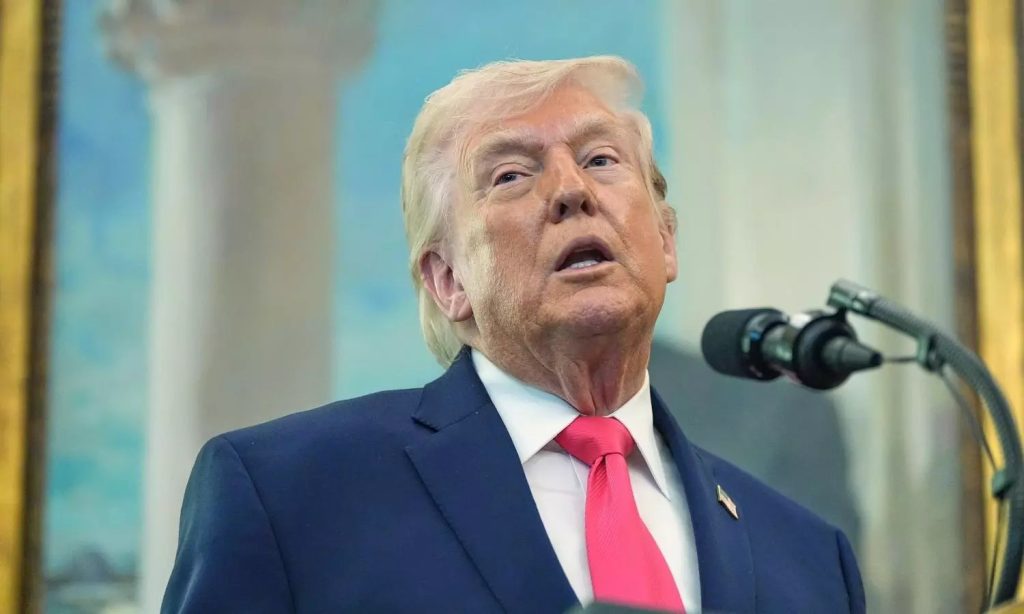
US President Donald Trump
For India, which has maintained a delicate balancing act in its relations with both Washington and Tehran, the growing tensions are a cause for concern. India depends heavily on oil imports from the Gulf region, including from Iran, and any disruption to energy supplies could have significant economic repercussions. The imposition of further U.S. sanctions on Iran has already made India’s energy trade more complex. Moreover, any military escalation risks destabilizing the entire region, which would impact India’s strategic interests, especially in terms of security, trade routes, and regional cooperation.
Amid these complexities, Pakistan has taken on a mediation role, with Foreign Minister Ishaq Dar confirming that Islamabad is facilitating communications between U.S. and Iranian officials. Turkey and Egypt, both of which have had historical ties with Iran, are also reportedly playing their part in these mediation efforts. While India has traditionally maintained a neutral stance in the Israel-Iran dispute, the involvement of Pakistan could complicate India’s position, given the fraught relationship between the two South Asian neighbours.
While the U.S.-Iran tensions dominate the headlines, the ongoing Israeli airstrikes on Lebanon and their humanitarian consequences are no less pressing. Israel has recently issued mass displacement orders for all residents of southern Lebanon, south of the Zahrani River, which lies just 50 kilometers from the Israeli border. According to Lebanon’s Health Ministry, over 1,100 civilians have been killed in Israeli airstrikes since March 2, and the situation is growing more dire by the day.
For India, Lebanon holds significance as a key partner in the Arab world and as a member of the larger Middle Eastern geopolitical landscape. India’s involvement in peacekeeping missions, such as its participation in the United Nations Interim Force in Lebanon (UNIFIL), underscores the country’s ongoing interest in the stability of Lebanon and the wider region. The violence against civilians in Lebanon could push more refugees towards neighbouring countries, creating challenges for regional stability and potentially impacting India’s diaspora and diplomatic outreach in the region.
Israel’s continued military actions in Lebanon are primarily targeted at Hezbollah, a Shiite militant group backed by Iran. The growing influence of Hezbollah, along with its stockpiling of missiles, poses a significant threat to Israeli security. However, the collateral damage to civilians in Lebanon and the broader regional instability only exacerbate tensions. The Israeli government’s hardline stance is likely to draw sharp criticism from many in the Arab world, including India’s Muslim community, which is increasingly concerned about the humanitarian impact of Israeli actions.
Iran, too, continues to bear the brunt of this conflict. Iranian authorities have confirmed that at least 1,937 people have been killed in U.S.-Israeli strikes, including civilian targets and critical infrastructure. The mounting casualties have already led to widespread public outrage within Iran and have further hardened the resolve of the Iranian government. Iran’s foreign policy, particularly its involvement in proxy conflicts across the region, has been a source of tension with both the U.S. and Israel. However, its role in promoting regional stability, including its support for Palestinian groups and its involvement in Syria and Iraq, has made it a central player in West Asia’s geopolitics.
India’s relationship with Iran has been shaped by a variety of factors, including trade, energy cooperation, and regional security. India has worked closely with Iran on several projects, such as the Chabahar Port in Iran, which offers India an alternative route to Afghanistan and Central Asia. Any escalation in U.S.-Iran tensions could disrupt this collaboration, potentially isolating India from its strategic objectives in the region.
Moreover, India’s reliance on Iranian oil makes it particularly sensitive to the repercussions of further military escalation. The U.S. sanctions on Iran have already had a significant impact on India’s energy imports, and a full-scale conflict could severely disrupt the global oil market, driving up prices and hurting India’s economy.
Can India Act as a Bridge?
As the situation grows more complex, the question arises whether India can play a larger role in facilitating dialogue and promoting peace in West Asia. India has historically maintained a non-aligned foreign policy and has refrained from taking sides in the U.S.-Israel-Iran conflict. However, as the crisis deepens, India’s position as a regional power and its relationships with key players such as the U.S., Iran, and Israel may allow it to serve as a neutral mediator in the pursuit of peace.
The mediation efforts led by Pakistan, alongside Turkey and Egypt, offer a glimmer of hope, though it remains to be seen whether these countries can effectively broker peace. India’s diplomatic influence could be pivotal in encouraging multilateral negotiations, especially through regional forums like the Shanghai Cooperation Organization (SCO) or through its longstanding ties with the Gulf Cooperation Council (GCC) states.
While India has expressed support for regional peace and stability, its foreign policy must be mindful of the delicate balance it must maintain with both the U.S. and Iran, as well as with its strategic allies in the Arab world. India’s ability to navigate these tensions, particularly in the wake of worsening violence, will be crucial in safeguarding its interests and promoting peace in a region that is vital to its own security and prosperity.
For India, the escalating West Asia conflict presents both challenges and opportunities. The growing violence, coupled with the risk of further military confrontations, threatens regional stability and poses significant economic and security risks for India. The possibility of a U.S.-Iran peace deal offers hope, but as history shows, these negotiations are fraught with obstacles.
India’s unique position as a bridge between East and West, its strategic alliances, and its energy security needs make it a key player in this conflict, even if it is not directly involved in the fighting. As the situation in West Asia continues to unfold, India’s diplomatic efforts, particularly in advocating for multilateral dialogue and supporting humanitarian efforts, will be critical in shaping the future of the region.
With the fate of millions hanging in the balance, West Asia remains a region on the brink, and India must navigate this delicate geopolitical crisis with caution, ensuring that its national interests, regional stability, and moral obligations are upheld. The coming days will be critical in determining whether diplomatic negotiations can halt the violence or the region plunges further into chaos. As the world watches, the challenge for international diplomacy will be to navigate these complex rivalries and prevent further escalation in an already volatile region.
Is India Prepared?
As tensions choke the Strait of Hormuz, India faces a stress test of its energy security, evacuation readiness, and geopolitical strategy. When crude oil prices spike overnight in global markets, the impact is felt first not in boardrooms, but at Indian petrol pumps, kitchen stoves, and transport hubs. Today, as tensions escalate around the Strait of Hormuz—the narrow artery linking the Persian Gulf to the Indian Ocean, through which a fifth of the world’s oil flows—India finds itself confronting a familiar but increasingly urgent question: how prepared is it for a full-blown Gulf crisis?
The answer is complex. India is better prepared than it was a decade ago, with strategic reserves, naval deployments, and a proven evacuation record. But the scale of its dependence on the Gulf—and the speed at which a crisis can spiral—means vulnerabilities remain deeply embedded.
India’s economic engine runs heavily on imported energy. Nearly 90% of its crude oil is sourced from abroad, much of it from Gulf nations such as Iraq, Saudi Arabia, and the UAE. A significant portion of these supplies must pass through the Strait of Hormuz, making the country acutely sensitive to disruptions in the region.
This is not just about oil. India also imports roughly half of its natural gas and a substantial share of its LPG requirements. For millions of households dependent on cooking gas and industries reliant on fuel, even a temporary disruption can ripple quickly across the economy.
The geography makes the risk unavoidable. The Strait of Hormuz, barely 33 km wide at its narrowest point, has long been one of the world’s most critical chokepoints. Any blockade, military escalation, or even perceived threat to shipping lanes can send insurance costs soaring, delay shipments, and trigger panic buying in global markets.
For India, the stakes are immediate: higher fuel prices, inflationary pressure, a weakening rupee, and potential strain on government finances.
To mitigate such risks, India has built strategic petroleum reserves over the past two decades. These underground storage facilities—located in places like Visakhapatnam, Mangaluru, and Padur—are designed to provide a buffer in times of crisis.
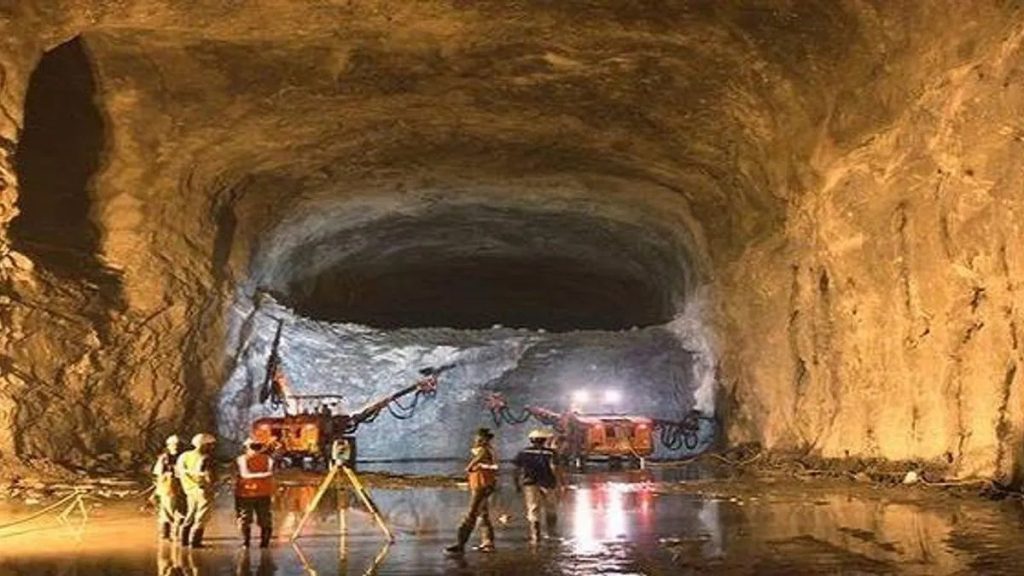
In total, India holds over 250 million barrels of crude oil, combining commercial and strategic reserves. This translates to roughly 7–8 weeks of consumption, with strategic reserves alone covering about 9–10 days.
On paper, this is a significant improvement from earlier years when India had minimal emergency storage. Officials have often pointed out that, when combined with stocks held by oil companies, the country could manage up to two months of supply disruption.
But the keyword here is temporary. If tensions in the Gulf escalate into a prolonged blockade or sustained conflict, these reserves would only buy time—not solve the problem. Unlike countries that meet the International Energy Agency’s benchmark of 90 days of reserves, India still falls short of a long-term safety net.
Moreover, not all fuels are equally easy to store. While crude oil can be stockpiled, liquefied natural gas (LNG) requires specialised infrastructure, limiting India’s ability to build large reserves.
Even before a worst-case scenario unfolds, cracks can begin to show. Recent disruptions in shipping routes near the Strait of Hormuz have already raised alarms. Tankers have been delayed, freight and insurance costs have surged, and supply chains have tightened. Reports suggest that LPG inventories—critical for household consumption—could face pressure if delays persist.
For policymakers, these are early warning signals. A full closure of the strait, even for a few days, could trigger cascading effects: delayed shipments, price spikes, and supply prioritisation between households and industry.
India has faced similar shocks before, but each crisis unfolds differently. What makes the current situation particularly volatile is the convergence of geopolitical tensions, energy dependence, and global market sensitivity.
In response to rising tensions, India has begun activating contingency plans. One immediate priority is maritime security. The Indian Navy has maintained a presence in the Gulf region for years, escorting commercial vessels and ensuring safe passage through high-risk waters. Operations such as Operation Sankalp were launched precisely to safeguard Indian shipping interests amid regional instability.
Now, with the threat level rising, authorities are reportedly considering escort missions for Indian-flagged vessels and coordinated evacuation plans for ships stranded in the region.
These measures highlight a key strength: India’s ability to respond quickly at sea. But they also underscore the scale of the challenge. With hundreds of vessels and vast volumes of trade moving through the Gulf, ensuring complete security is a complex and resource-intensive task.
Beyond energy, there is a human dimension to the crisis. More than 8 million Indians live and work in the Gulf region, forming one of the largest expatriate communities in the world. Their safety becomes a top priority in any escalation.
Here, India has a strong track record. During the Gulf War, India carried out one of the largest civilian evacuations in history, airlifting over 170,000 citizens from Kuwait. More recently, operations in conflict zones like Yemen demonstrated the government’s ability to conduct complex rescue missions under pressure.
These experiences have shaped a well-oiled evacuation framework involving the Ministry of External Affairs, the armed forces, and civil aviation authorities. However, the scale of a potential Gulf crisis today could be far larger. Evacuating millions—not thousands—would present logistical challenges of an entirely different order, especially if airspace or sea routes are contested.
The Cost of Conflict
Even without direct involvement, India cannot escape the economic fallout of a Gulf crisis. Higher crude prices translate almost immediately into increased fuel costs. This, in turn, affects transportation, agriculture, manufacturing, and ultimately retail inflation. For a country where fuel prices are politically sensitive and economically critical, the impact can be far-reaching.
There are also second-order effects. Rising import bills can widen the current account deficit, weaken the rupee, and put pressure on government subsidies—particularly for LPG and fertilisers. Then there is the trade dimension. The Gulf is not just an energy supplier but also a major trading partner. Disruptions in shipping lanes can delay exports, increase costs, and affect sectors ranging from textiles to engineering goods.
Despite improvements, several structural challenges remain. First, India’s heavy dependence on a single region for energy imports leaves it exposed to geopolitical shocks. Efforts to diversify suppliers—to the United States, Russia, and Africa—have helped, but the Gulf remains dominant.
Second, strategic reserves need expansion. While new storage facilities are planned, progress has been gradual. Bridging the gap to a 90-day reserve benchmark would significantly enhance resilience. Third, energy diversification within India is still a work in progress. Renewable energy capacity has grown rapidly, but fossil fuels continue to dominate the energy mix. Accelerating the transition could reduce vulnerability over time.
Finally, there is the question of geopolitical balancing. India maintains relationships with multiple actors in the region, including the United States, Iran, and Gulf countries. Navigating these ties during a crisis requires careful diplomacy to protect national interests without being drawn into conflict.
Prepared, But for how Long?
So, is India prepared? In the short term, the answer is yes. The country has buffers, contingency plans, naval capabilities, and a proven ability to respond to emergencies. It can absorb shocks, manage disruptions, and protect its citizens.
But preparedness has limits. A prolonged crisis in the Gulf—especially one that disrupts the Strait of Hormuz for weeks or months—would test the system far more severely. Reserves would dwindle, prices would surge, and economic pressures would mount.
The real challenge, then, is not just managing the immediate crisis but building long-term resilience.
The Road Ahead
Our energy dependence is our core vulnerability because India imports about 90% of its crude oil, around 60% of LPG, and 50% of LNG, and a large share of this passes through the Strait of Hormuz. Indeed, India’s energy lifeline runs through a conflict zone. Our oil buffer is strong, but not strong enough. Our total reserves are 250+ million barrels, which covers roughly 7–8 weeks of demand, while strategic reserves alone are 5.33 million tonnes lasting (9–10 days). India is buffered against short shocks, but not a prolonged blockade.
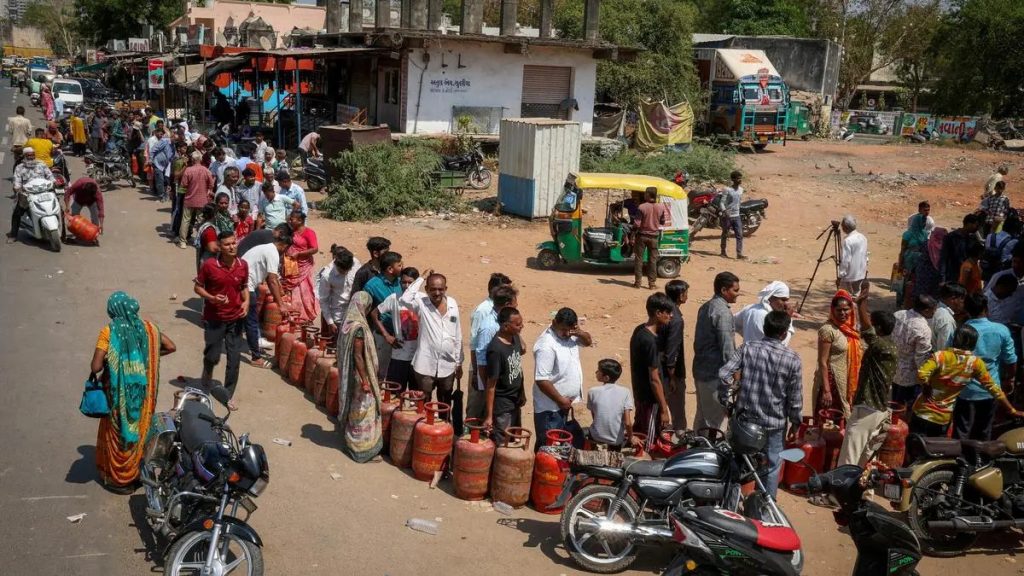
The ground reality is that India has about 20 days of LPG stock in crisis conditions. India is planning to evacuate 20+ ships stuck in the Gulf, for which it has the ongoing maritime security ops like Operation Sankalp (protecting shipping lanes). India has already evacuated more than 170,000+ Indians. Under Operation Raahat (Yemen), more than 4,600 Indians have been rescued. India has a proven evacuation track record, but scale today could be larger (millions in the Gulf).
As the situation in the Gulf evolves, India faces a critical moment of strategic reflection. Expanding energy reserves, diversifying supply sources, investing in renewables, and strengthening maritime security are no longer optional—they are essential. Equally important is enhancing evacuation preparedness for the millions of Indians living abroad.
The crisis also underscores a broader truth: in an interconnected world, distant conflicts are never truly distant. For India, the Strait of Hormuz is not just a faraway waterway. It is a lifeline—one that now runs through uncertain waters. And as the clock ticks on rising tensions, the question remains: is India ready not just for the shock, but for the storm that may follow?