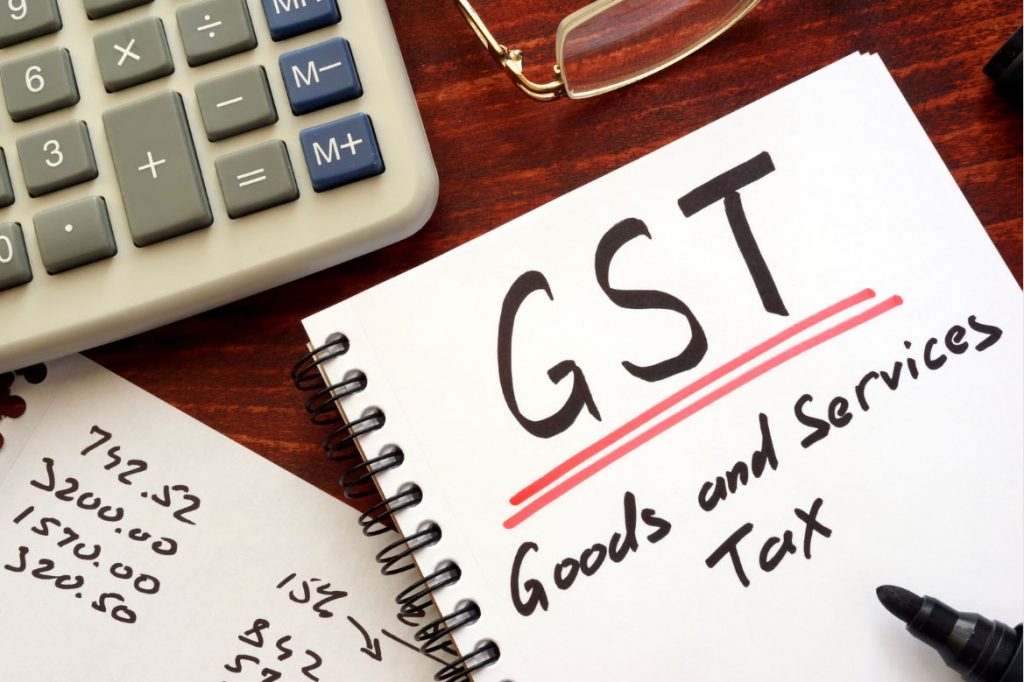
In what could mark one of the most significant tax reforms since the rollout of the Goods and Services Tax (GST) in 2017, the government is considering sweeping changes across multiple sectors. According to official sources, the proposed revisions are aimed at easing consumer burden, boosting demand, and streamlining the tax structure.
Healthcare is set to become more affordable with sharp GST cuts on insurance and medical equipment. Currently, health and life insurance premiums attract 18% GST, but under the proposal, these could drop to 5% or even NIL. Medical equipment, which is taxed at 12%, may be reduced to 5%, offering relief to hospitals and patients alike.
The auto sector, a key driver of the economy, could witness a major shake-up. Small petrol and diesel cars (up to 1200cc), which now attract 28% GST plus cess, may see rates slashed to 18%. Larger cars and SUVs, however, would continue to face higher taxation at 40% (down from the current 43–50%). Two-wheelers under 350cc could benefit from a steep reduction to 18% from the existing 28%. Auto components may also be rationalized to 18%.
Air travel and hotel stays may become cheaper for passengers and tourists. Business class tickets, taxed at 12%, may come down to 5%, while economy tickets remain steady at 5%. Hotel stays below ₹7,500 per night could see GST reduced from 12% to 5%, while premium stays above that threshold will continue at 18%.
Everyday essentials may become more affordable if the proposed cuts are implemented. Footwear under ₹1,000 could drop from 12% GST to 5%, while premium footwear above ₹1,000 will remain unchanged at 18%. Clothing sees uniformity, with both categories—below and above ₹1,000—likely to be taxed at 5%. Additionally, ghee, currently taxed at 12%, may come down to 5%.
Experts believe the proposed changes could boost consumption, particularly in healthcare and FMCG, while offering relief to the middle class through lower travel and insurance costs. At the same time, the rationalization in automobiles may provide much-needed support to the industry struggling with demand slowdown.
The proposals are expected to be discussed in the upcoming GST Council meeting. If approved, they could significantly reshape the indirect tax landscape and directly impact consumer spending patterns.