The latest State of Global Water Resources report highlights the growing imbalance in river basins, widespread glacier loss, and the urgent need for better monitoring to tackle the rising threats of extreme water events and shortages worldwide
The World Meteorological Organization (WMO) latest ‘State of Global Water Resources report,’ has painted a stark picture of the world’s water systems becoming increasingly unpredictable and extreme. From devastating droughts to severe flooding, the report underscores the cascading impacts of erratic water availability on societies, economies, and ecosystems.
While much of the world was hot and dry in 2024—hottest year on record—with severe droughts in many regions, other regions suffered multiple devastating floods. Lake surface temperatures were anomalously high, and nearly all out of 75 main lakes across the globe saw above average water levels. Meanwhile all glaciated regions in the world reported ice loss last year, as per the WMO
In 2024, only about one-third of the global river basins experienced “normal” water conditions. The rest of the river systems faced either above or below average water levels, marking the sixth consecutive year of imbalance. This erratic trend highlights the intensifying consequences of climate change, including worsening droughts and floods, and puts enormous stress on freshwater resources worldwide, it said
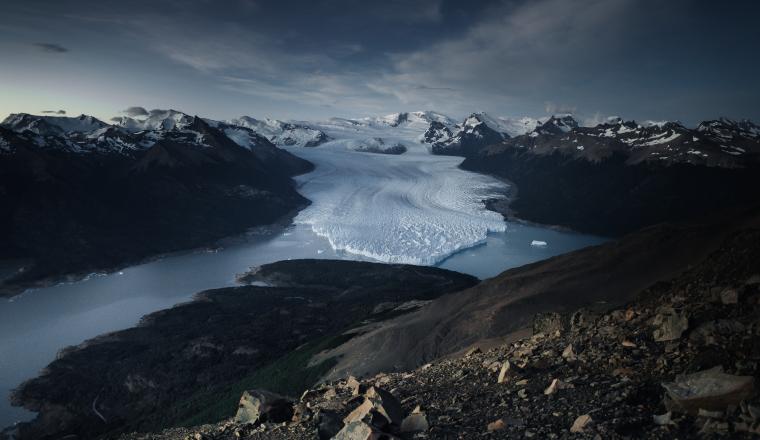
Glaciers too faced unprecedented loss for the third consecutive year with a staggering 450 gigatonnes of ice lost globally—the equivalent of a massive block of ice measuring seven kilometers in height, width, and depth
The report warns that this meltwater is contributing to rising sea levels, which exacerbate flooding risks in coastal areas, many glaciers, particularly in small-glacier regions, are nearing their “peak water point,” beyond which annual runoff will begin to decrease as the glaciers continue to shrink.
The report also emphasises the severe regional disparities in water availability. Southern Africa and the Amazon Basin faced significant droughts, while parts of Central Europe, Asia, and Africa experienced wetter-than-normal conditions. The El Niño climate phenomenon played a major role in exacerbating the water imbalances, pushing river basins in northern South America, southern Africa, and parts of Asia into drought. Conversely, flooding in regions like West Africa, Central Europe, and parts of Asia caused widespread damage.
“Water sustains our societies, powers our economies, and anchors our ecosystems. Yet, the world’s water resources are under growing pressure,” said WMO Secretary-General Celeste Saulo. She stressed the importance of reliable, science-based information to manage water resources and mitigate these extreme water-related hazards.
The report also highlights the critical need for improved water monitoring and data sharing. The WMO urges continued investment in data collection to better track water resources and anticipate future challenges. “Without data, we risk flying blind,” Saulo remarked, pointing to the growing gap in global water access. Currently, 3.6 billion people face inadequate water access for at least one month per year, and this number is expected to rise to over 5 billion by 2050.
In addition to the challenges posed by extreme weather, over-extraction of groundwater continues to threaten future water security, especially in parts of Africa, Australia, and the Americas. The report also noted that nearly 62% of global groundwater wells are showing signs of depletion or irregular levels.
In the face of these mounting water challenges, the WMO is calling for enhanced global cooperation and improved monitoring systems to ensure more effective management of water resources and support communities facing increasing water stress.
“Water is one of the first frontlines where the climate crisis becomes visible whether through devastating floods or persistent droughts. The science is clear: unless we rapidly cut fossil fuel emissions, these extremes will intensify, threatening ecosystems, agriculture, and human health. Reducing our dependence on coal, oil, and gas is the only way to stabilize water resources for future generations, says Dr Davide Faranda, Directeur de recherche CNRS, IPSL, France.