Set for confrontation, Tamil Nadu, Kerala, Bengal cry foul over ‘hidden NRC’, ‘BJP’s hidden political agenda’
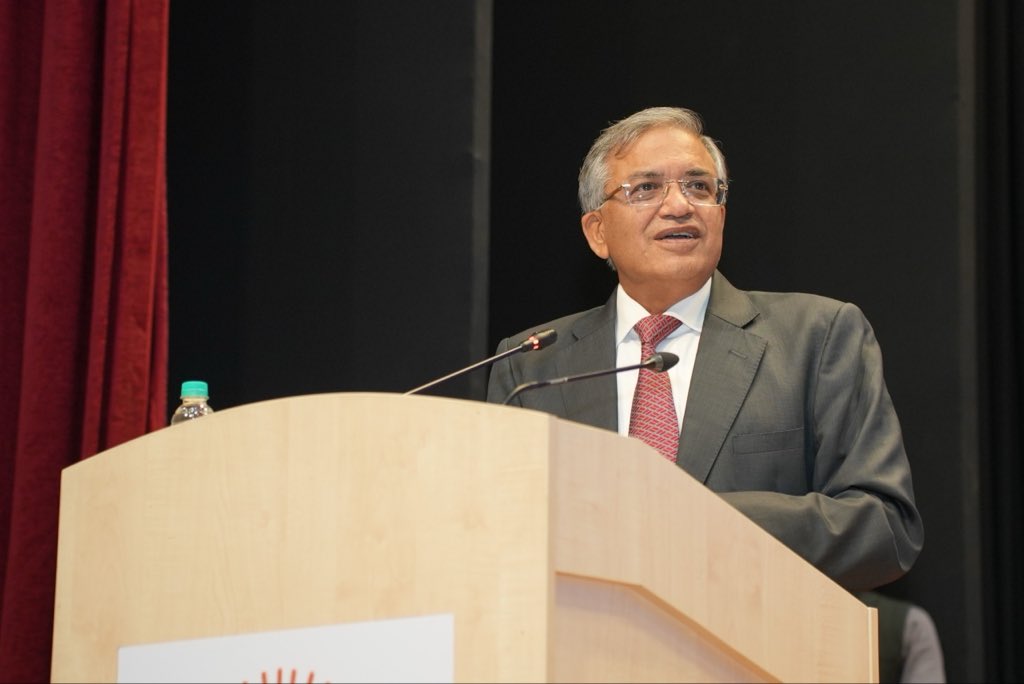
The Election Commission of India (ECI) on Monday launched Phase 2 of its Special Intensive Revision (SIR) of electoral rolls in 12 states and UTs, setting off political confrontation in opposition ruled states. The exercise, which covers 12 states and Union Territories including Tamil Nadu, Kerala, West Bengal, and Puducherry, aims to clean up voter rolls ahead of a busy election calendar — but opposition-ruled states are calling it anything but routine.
Chief Election Commissioner Gyanesh Kumar said that electoral rolls in these states will be frozen at midnight before Booth Level Officers (BLOs) begin training from October 28 to November 3. Enumeration will start on November 4, with each BLO visiting households three times to verify details and remove duplicate, deceased, or ineligible names. The draft rolls will be published on December 9 and the final list on February 4.
The states covered in this phase include Andaman and Nicobar Islands, Chhattisgarh, Goa, Gujarat, Kerala, Lakshadweep, Madhya Pradesh, Puducherry, Rajasthan, Tamil Nadu, Uttar Pradesh, and West Bengal. Assam, due to its distinct citizenship-related provisions, has been excluded and will receive a separate order.
Kumar said that Aadhaar may be used for identity verification but not as proof of citizenship, domicile, or age. He noted that this is the ninth such SIR since Independence — and the first in over two decades, the last having taken place between 2002 and 2004.
But the move has touched off political backlash. In Tamil Nadu, Chief Minister M. K. Stalin called the exercise a “BJP-AIADMK plot” to delete the names of marginalised, minority, and migrant voters ahead of the 2026 Assembly elections. Kerala Chief Minister Pinarayi Vijayan described the EC’s move as “hasty and unnecessary” before the local body polls, the state Assembly passed a unanimous resolution urging the ECI to withdraw the SIR. In West Bengal, Chief Minister Mamata Banerjee termed it a “hidden NRC” and accused the EC of trying to engineer voter exclusion through bureaucratic overreach.
In fact, just hours before the EC’s announcement, the West Bengal government ordered one of the biggest bureaucratic reshuffles in recent years — reportedly transferring over 200 officials, including 61 IAS and 145 WBCS officers. Many of them were expected to oversee the SIR process. Opposition parties claimed the move was designed to disrupt the revision, while the ruling Trinamool Congress described it as “routine reshuffle.”
A similar exercise in poll-bound Bihar saw a massive backlash with opposition Congress leading the charge. Bihar’s stakeholders are closely tracking how it will affect the poll outcome in the state, the developments and so are parties elsewhere — especially amid concerns over migration-related voter loss and allegations of selective deletions. For the Election Commission, the SIR is meant to ensure cleaner, more credible rolls—by removing duplicate, deceased, or ineligible voters.