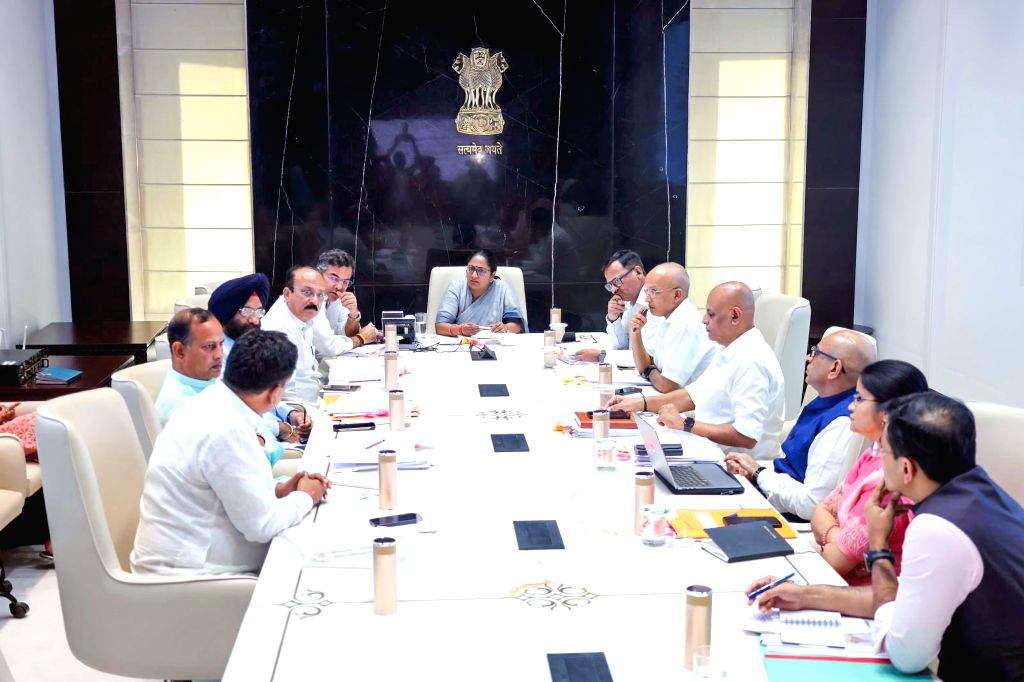
In a significant move to advance sustainable transportation, the Delhi Government has extended its current Electric Vehicle (EV) policy until March 31, 2026, or until a new framework is introduced—whichever comes first. The decision was finalized during a cabinet meeting led by Chief Minister Rekha Gupta at the Delhi Secretariat on Tuesday.
According to officials, the extension allows time for in-depth consultations and policy enhancements to align with Delhi’s long-term environmental goals. The updated policy is expected to prioritize public engagement and industry collaboration to create a more effective and inclusive EV roadmap.
“This is a crucial period for listening and evolving,” said Transport Minister Pankaj Kumar Singh. He emphasized that the forthcoming policy will incorporate inputs from citizens, environmental groups, industry stakeholders, and academic institutions to ensure it is both forward-looking and inclusive.
Key focus areas of the revised policy will include expanding the city’s EV charging infrastructure, reassessing existing financial incentives, formalizing battery recycling and disposal systems, and defining roles for public-private partnerships in the EV ecosystem.
Aligned with the broader ‘Green Delhi’ mission, the extended policy reaffirms the government’s commitment to reducing air pollution and fostering a resilient, eco-conscious urban transport system.
Officials reiterated that the move not only strengthens Delhi’s clean air agenda but also lays the foundation for a more adaptive and innovative EV framework in the national capital.