Why Trump changed tack—altered approach, strategy, position on India
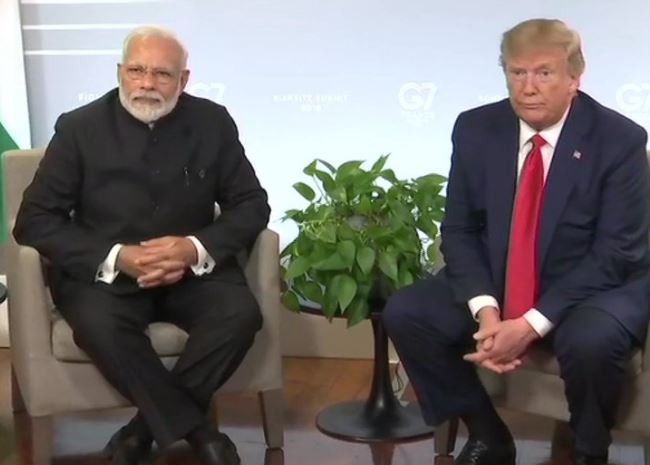
The positive exchange between Prime Minister Narendra Modi and US President Donald Trump can be interpreted in many ways: India’s pragmatic foreign policy approach; a reiteration of the strategic importance of the India–US relationship; a genuine diplomatic effort to de-escalate recent tensions over trade tariffs and open the way for reconciliation; and, perhaps, a recognition of India’s growing economic and strategic importance—not just in the region, but globally.
On Saturday, PM Modi responded positively to Trump’s overture, stating: “Deeply appreciate and fully reciprocate President Trump’s sentiments and positive assessment of our ties. India and the US have a very positive and forward-looking Comprehensive and Global Strategic Partnership.”
He was responding to Trump, who had earlier said he would always be friends with Modi and spoke of a special relationship between the two countries:
“I will always be friends with Modi; he is a great Prime Minister. India and the United States have a special relationship. There is nothing to worry about.”
When asked about his Truth Social post referencing “losing India to deepest, darkest China,” Trump responded:
“I don’t think we have.”
“I get along very well with Modi, as you know. He was here a couple of months ago—we went to the Rose Garden.”
On Friday, however, Trump had posted: “Looks like we’ve lost India and Russia to deepest, darkest China. May they have a long and prosperous future together!”
What it means
In politics, as also geopolitics, optics play a significant role, and the very positive exchange between the two leaders suggests a thaw and an effort to mend ties, perhaps opening the door for a recalibration of the relationship, despite a barrage of incendiary remarks against India by Trump and his associates. There are good reasons why Trump had to change tack, alter approach, strategy and position on India.
Coming after a period of increased strain, this exchange suggests a potential reset and possibly paves the way to stabilise the relationship and resume trade discussions, say analysts.
“Modi’s response was a direct reply to Trump’s public shift in tone, which followed a very critical social media post. By reciprocating the positive sentiments, the PM reinforced the value of the bilateral relationship, despite recent criticisms,” they added.
Notably, amid India’s growing ties with both China and Russia, the exchange also underscores its increasing strength—not only in the region but globally. PM Modi’s response aligns with India’s long-term diplomatic strategy of maintaining open communication channels, regardless of disagreements.
“PM Modi’s foreign policy is known for being pragmatic and prioritising India’s national interests over rigid ideological stances. Despite US concerns, India continued its engagement with Russia and recently displayed warmer interactions with China. The PM’s response to Trump and participation in events like the Shanghai Cooperation Organisation (SCO) summit highlight India’s influence in the region and its ability to balance multiple relationships simultaneously.”
“During Trump’s previous term and in recent interactions, PM Modi tried for building a personal rapport with him, based on the belief that strong personal relationships can drive better policy outcomes for India. While strengthening ties is important for both nations, India has been cautious not to anchor its foreign policy too closely to any one US leader or political party. Instead, it seeks to maintain continuity in the India–US relationship—regardless of who is in power. India continues to frame the relationship as institutional and consistent, not tied to any single leader—and it seems Trump may have finally understood that,” say sources familiar with ongoing India–US developments.