Border clashes between Pakistan and Afghanistan over the Durand Line have happened repeatedly over the decades. The current violence is part of a long, cyclical pattern of mistrust and armed incidents rooted in the disputed border and the presence of militant groups operating in the frontier region.
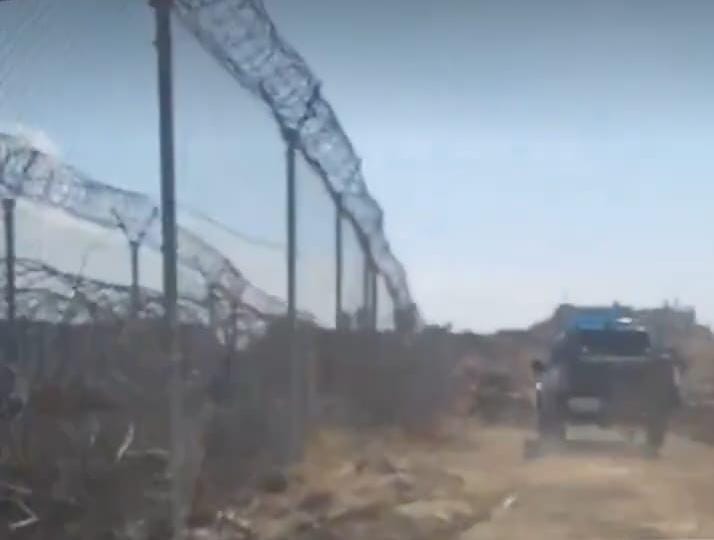
Heavy clashes between Pakistani and Afghan forces have erupted along the volatile frontier, reviving decades-old hostilities rooted in the unresolved Durand Line dispute. The latest fighting, which intensified over the weekend, has led to the closure of key crossings and left dozens reportedly dead on both sides, deepening fears of a wider regional crisis, according to reports. The ongoing border clashes have several direct and indirect implications for India, both strategically and economically
The Pakistan side claimed that the clashes began after militant groups based inside Afghanistan launched attacks on border posts in Khyber Pakhtunkhwa and Balochistan. Islamabad and accused the Taliban government of sheltering the Tehreek-e-Taliban Pakistan (TTP)—a banned militant outfit responsible for a string of deadly attacks within Pakistan. In response, Pakistani forces reportedly carried out heavy artillery and limited air strikes targeting militant hideouts across the border.
Kabul, however, accused Pakistan of violating Afghan sovereignty, claiming that several strikes have hit civilian areas. The Taliban government also warned Islamabad against “provocative aggression,” asserting that Afghan forces will respond firmly to any further incursions.
The escalating tension has forced the closure of major crossings, disrupting trade and daily movement of people who depend on cross-border travel for livelihood and family connections.
At the heart of this recurring friction lies the Durand Line — a 2,640-kilometre border drawn in 1893 by Sir Mortimer Durand, the British Foreign Secretary of India, after negotiations with Amir Abdur Rahman Khan, the ruler of Afghanistan. The agreement was meant to demarcate the spheres of influence between British India and Afghanistan, serving as a buffer against Russian expansion during the so-called “Great Game.”
However, the line cut through tribal Pashtun and Baloch territories, dividing families and ethnic communities that had lived together for centuries. After the partition of India in 1947, Pakistan inherited the border and considers it an internationally recognized frontier. Successive Afghan governments — including the Taliban regime — have refused to formally accept it, calling it an artificial colonial boundary imposed without Afghan consent.