The origin of the ‘Five Finger Strategy’ traces back to the early years of the People’s Republic of China and is attributed to Mao Zedong, though no official Chinese document codifies it
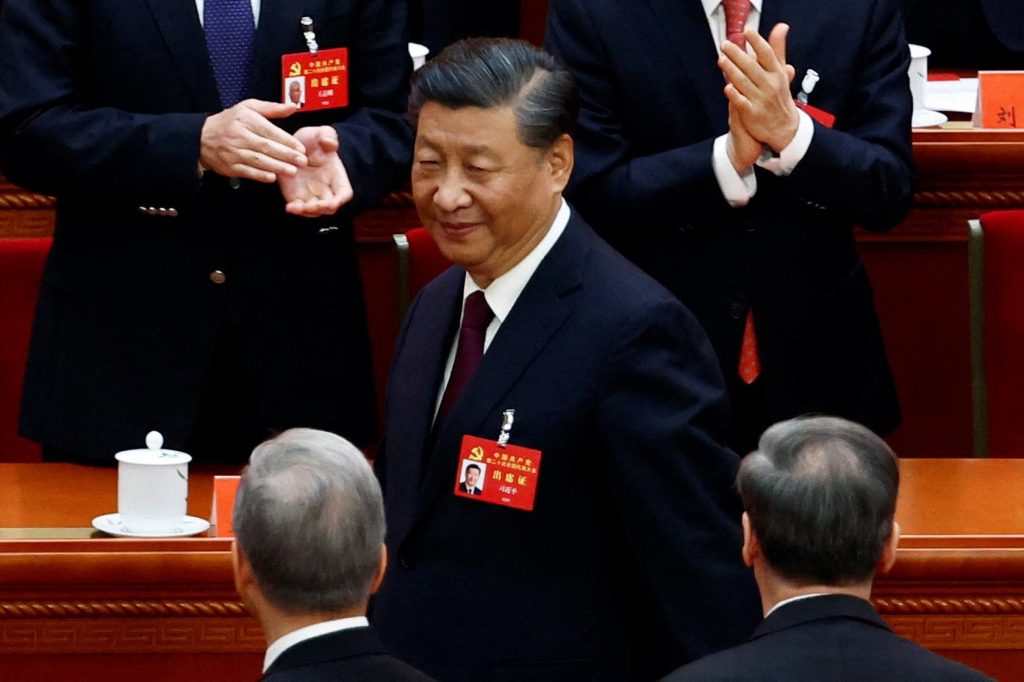
Warning India about China’s “expansionist agenda,” former Prime Minister Lobsang Sangay of the Tibetan Government in exile recently said that Beijing views Tibet as the “palm” and surrounding regions as “five fingers” that it aims to control. According to Sangay, Chinese President Xi Jinping reinforced the strategy by tightening Beijing’s grip on Tibet and now India needs to careful since it was no longer about Tibet or its border areas but neighbouring countries, including in Southeast Asia and Central Asia.
“Wherever India seeks to build influence or relationships—China is always there to checkmate,” he was quoted as saying. Citing Nepal as an example, he also claimed that Chinese officials are the most powerful players in Kathmandu, even more than Indian or American embassies.
“Five Finger Strategy”
China’s strategic posture in the Himalayas continues to reflect a decades-old vision attributed to Mao Zedong, known as the “Five Finger Strategy” in which Tibet is considered the “palm” of China’s hand and surrounding regions—Ladakh, Nepal, Sikkim, Bhutan, and Arunachal Pradesh—are the “five fingers” to be brought under Chinese influence.
It is not an officially declared policy but Beijing’s actions seem to indicate towards it—like the 2020 Galwan Valley clash in Ladakh, China’s frequent claims over Arunachal Pradesh (which it refers to as “South Tibet”), and growing political and economic footprint in Nepal and Bhutan. The 2017 Doklam standoff near Bhutan’s border is another reminder of the so-called strategy, experts say, pointing that it wasn’t until 2003 that China formally recognised Indian sovereignty over Sikkim.
“For India, the strategy serves as warning given China’s expanding regional ambitions and border aggressions,” say experts
Origin
The origin of the strategy traces back to the early years of the People’s Republic of China and is attributed to Mao Zedong—founder of the People’s Republic of China in 1949, though no official Chinese document codifies it. Mao is believed to have said: “Tibet is the palm of China. To control the palm, we must also grasp its five fingers, ”referring to Ladakh, Nepal, Sikkim, Bhutan, and Arunachal Pradesh (then the North-East Frontier Agency) the regions, seen as historically or culturally linked to Greater Tibet..