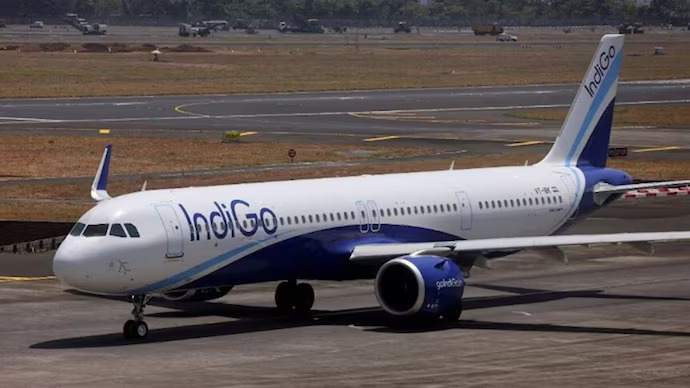
Hundreds of flights had been cancelled daily, leaving thousands stranded, scrambling for re-bookings, and facing disrupted holidays, business commitments, and even medical emergencies. The fallout extends beyond flights: missed hotel bookings, lost hours, and compromised plans paint a grim picture of systemic failure.
The airline’s official statement that the chaos stemmed from “misjudgement and planning gaps” is far from sufficient. The real culprit lies in a combination of IndiGo’s strategic miscalculations and the regulator’s hesitant response. The Flight Duty Time Limitations (FDTL)rules, phased in from July and fully enforced from November 1, 2025, were designed to reduce pilot fatigue — a critical operational risk — by extending weekly rest periods, limiting night-time landings, and capping night flying hours. For an airline operating a dense domestic network with numerous night and red-eye flights, anticipating the impact of these changes was not optional; it was imperative.
Indeed, IndiGo’s crew supply fell short of what was required. Data presented to the DGCA highlighted the shortfall: the airline needed 2,422 captains and 2,153 first officers for stable operations but had only 2,357 captains and 2,194 first officers. In a high-frequency network, even minor gaps cascade, causing cancellations across multiple routes. Despite clear signals, IndiGo’s preparedness was insufficient, resulting in operational chaos.
The regulator’s response has raised eyebrows. In the face of mounting public pressure, the DGCA temporarily relaxed some FDTL norms. While intended to restore operations, this decision risks compromising the very safety standards the rules were designed to protect. Pilot bodies have rightly flagged the move as a dilution of crew welfare and safety, highlighting the fine balance regulators must maintain between operational continuity and safety compliance.
The human cost has been staggering: families stranded during the peak holiday season, senior citizens struggling with travel, defence personnel delayed mid-transfer, and business commitments disrupted. Ironically, international flights — though a smaller share of cancellations — remained largely unaffected due to higher revenues and stricter compensation rules, highlighting the prioritization of profit over domestic passenger welfare.
The lessons are clear. IndiGo must be held accountable for its mismanagement, and the DGCA cannot bow to public or corporate pressure at the cost of safety standards. The Indian air passenger deserves robust compensation rights, transparent communication, and a regulator willing to enforce rules without fear or favour. Operational efficiency cannot come at the cost of safety and trust. The recent chaos is a stark reminder: in aviation, as in life, shortcuts in planning and oversight can have consequences that ripple far beyond the runway.
While Tehelka’s Cover Story finds out how the IndiGo Meltdown Exposed India’s Broken Aviation Governance, our Investigative Story lays bare the bottlenecks in Special Intensive Revision for election reforms.