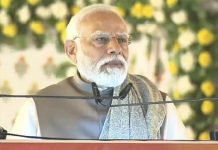
Special Representative meeting to work out a “fair, reasonable and mutually acceptable” solution to the pending boundary issue comes ahead of PM Modi’s scheduled visit to China, is being seen as another sign of a diplomatic thaw with Beijing amid trade tariffs tensions with US
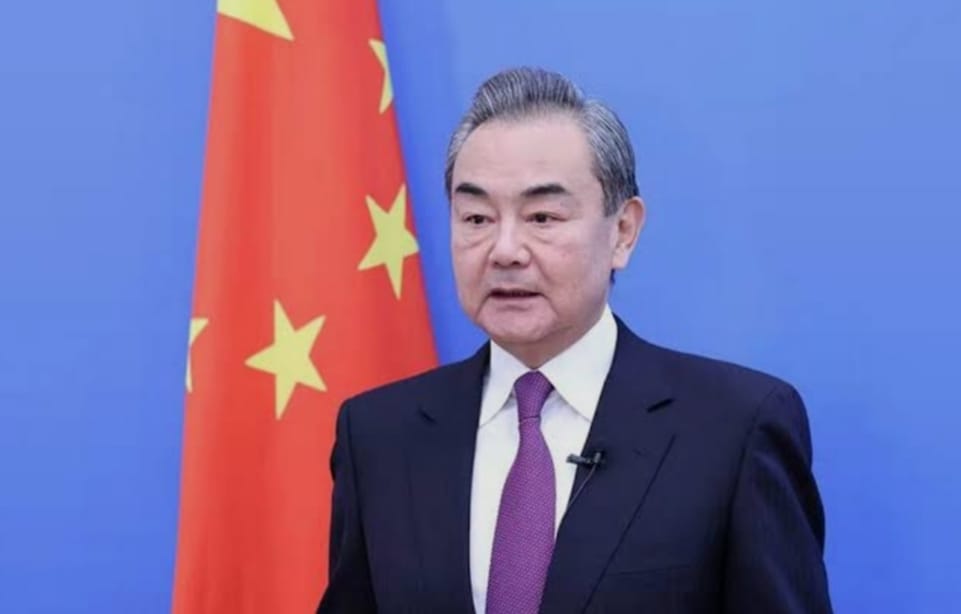
Chinese Foreign Minister Wang Yi will meet Prime Minister Narendra Modi during his two-day visit to India, according to the Ministry of External Affairs. Coming ahead of PM Modi visit scheduled visit to China for the annual summit of the Shanghai Cooperation Organisation (SCO), the meeting is significant keeping in mind the pending issue of de-escalation of troops since October last year when the two sides agreed on disengagement from two friction points along the Line of Actual Control (LAC).
Talks between Wang and National Security Adviser (NSA) Ajit Doval on the pending boundary issue during the 24th round of the Special Representatives (SRs) dialogue will lay the groundwork for a “way forward” for the meeting between PM Modi and Chinese President Xi Jinping.
PM Modi’s visit to China for the first time in over seven years is being seen as another sign of a diplomatic thaw with Beijing amid the trade tariff’ tensions with the US.
Pending issue
India twice (in June and July) pressed upon China to de-escalate from the present positions and resolve “friction” along the LAC—the de-facto boundary between the two neighbours.
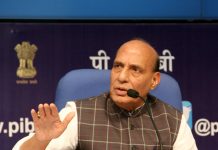
At his July meeting with Wang in Beijing, External Affairs Minister S Jaishankar stressed the need to work towards addressing the border issue as well as troop build-up along the LAC while earlier in June Defence Minister Rajnath Singh also underscored the need for “permanent solution” to the border demarcation problem and suggested a roadmap for a permanent de-escalation of troops along the LAC.
Meeting on the sidelines of the Shanghai Cooperation Organisation (SCO) Defence Ministers’ meeting in Qingdao the two ministers held in-depth discussions on the need to maintain peace and tranquility along the India-China border—which is also the main aim of the SR’ meetings.
‘Unresolved’ LAC, ‘buffer zones’
In October 2024 after South Block announced a breakthrough in India-Chinese border talks and the disengagement process started at the LAC, the government maintained that troops will now return to pre-2020 positions. However those in know of developments say “buffer zones” were not included in the patrolling arrangement.
In December, Jaishankar told the Lok Sabha that moratorium on patrolling in the buffer zones created between February 2021 and September 2022 in some locations along the India-China LAC to end the military stand-off “can be revisited as the situation demands”,
Analysts say the rationale of having a moratorium on patrolling despite China’s repeated moves to push the LAC westward into the territory of India is worrying. “The two sides do not have a demarcated border and LAC acts as a de-facto boundary. The issue of de-escalation of troops from along the LAC has been pending since October last year when the two sides agreed to dis-engage from two friction spots,” they add.
India had suggested a “three Ds” — disengagement, de-escalation and de-induction — step-wise approach.
While disengagement was completed in October 2024 (pulling back troops from an eyeball-to-eyeball deployment) de-escalation and de-induction remain a challenge.
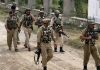
According to reports, thousands of troops, backed by drones, guns, tanks, missiles, aircraft, helicopters, etc., are positioned on both sides of the LAC.
SR meetings
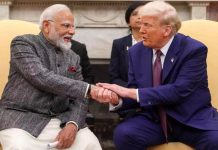
Last year in October, PM Modi and President Xi resumed stalled bilateral relationship by tasking the SRs with overseeing steps to ensure peace and tranquillity in border areas.
They were asked to work out a “fair, reasonable and mutually acceptable” solution to the pending boundary issue.
The two SRs last met in China in December.
Apart from the border issue, there is also a proposal to restart trade through land borders.