
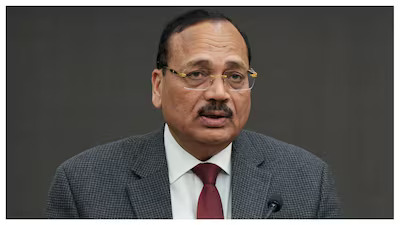
As Justice Surya Kant has assumed office as the Chief Justice of India (CJI), he steps into one of the most critical roles in the Indian judiciary at a time when the system faces mounting challenges. The path ahead for CJI Surya Kant is fraught with issues ranging from massive case backlogs to safeguarding judicial independence, and from reforming judicial processes to ensuring access to justice for marginalized communities.
One of the most immediate and daunting challenges is the staggering judicial backlog. With over 4.7 crore cases pending across the country, delays in the justice system have become an endemic issue. This has contributed to a growing public perception that justice is elusive for the common man. As CJI, Surya Kant will need to champion reforms that enhance the efficiency of the court system. This includes expanding bench strength, implementing more effective case management strategies, and furthering the digitalization of court processes to expedite hearings.
Alongside this, CJI Surya Kant will need to fiercely protect the independence of the judiciary. In a climate where the lines between the executive, legislature, and judiciary are often blurred, maintaining judicial autonomy is an ongoing challenge. Given Surya Kant’s reputation for upholding constitutional values, his leadership will likely continue to advocate for judicial independence and push back against any encroachment on the judiciary’s domain, especially in contentious cases involving public interest.
The transparency and efficiency of judicial appointments, which have long been a source of contention, will demand attention. Though the collegium system has come under scrutiny, any reform must balance transparency with preserving judicial independence. CJI Surya Kant’s leadership could be pivotal in driving meaningful reforms that ensure the judicial system is both transparent and meritocratic.
The issue of access to justice for marginalized and economically disadvantaged communities remains a critical concern. Despite the growing role of the judiciary in social transformation, millions of Indians still face significant barriers in accessing legal remedies. His focus on making justice more affordable and accessible will be a key indicator of his commitment to social justice.
Virtual hearings and online filing systems have proven to be effective in maintaining judicial functions during a crisis. However, technological advancements must be made accessible to all, particularly in rural areas where the digital divide remains a significant hurdle. CJI Surya Kant’s continued focus on integrating technology into the legal system, while ensuring inclusivity, will likely be one of the defining aspects of his tenure.
While Tehelka’s cover story “AI: A Double-Edged Sword!”, finds out howAI can usher in an era of prosperity but if left unchecked, its potential for harm could outweigh its advantages not only limited to privacy breaches or misinformation, our Special Investigation Team investigates how Delhi Red Fort blast has open a pandora box, especially for the doctors who were trained from Pakistan. Agents, caught on Tehelka’s camera, confirm how they had sent aspirants to Pakistan for the MBBS degree on Hurriyat recommendations.