Unrest reflects a deep sense of political, social discontent in Ladakh; Shift from peaceful demonstrations to violent confrontations highlights a trust deficit. Despite assurances of dialogue, locals see little progress. The violence has forced authorities to impose restrictions on gatherings, even as fresh rounds of talks are planned with the Leh Apex Body and youth groups.
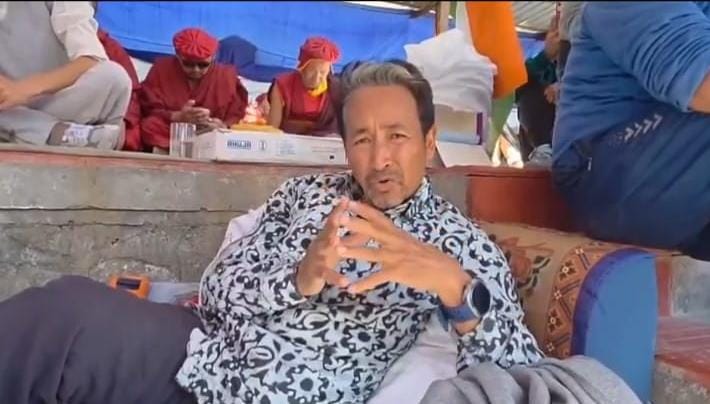
Cold desert Ladakh on Wednesday witnessed its worst violence in years, with the statehood agitation spiralling into arson and clashes, leaving four dead and at least 45 injured, including 22 policemen. The violence coincided with climate activist Sonam Wangchuk ending his fortnight-long hunger strike for statehood and Sixth Schedule protections.
“VERY SAD EVENTS IN LEH. My message of peaceful path failed today. I appeal to youth to please stop this nonsense. This only damages our cause,” Wangchuk posted along with a video in which he blamed the Central government’s actions for the “Gen Z revolution” in Ladakh.
Wangchuk said violence took place after the health conditions of two people on hunger strike turned serious and had to be hospitalised, triggering a wave of anger among the youth as they wanted to express their frustration. “This was a type of Gen Z revolution that brought people on the streets,” he said, accusing the ruling BJP of “not acting on promises”
The unrest began with a shutdown in Leh, where protesters vandalised and torched the BJP office, vehicles, and furniture. As the day progressed, flames and dark smoke clouds could be seen from afar. Police responded with firing and teargas as groups of youths hurled stones and set ablaze security vehicles. Authorities imposed prohibitory orders under Section 163 of the BNSS, while Congress councillor Phuntsog Stanzin Tsepag was booked for a provocative speech, according to reports.
The Ladakh Apex Body (LAB) youth wing had called for protests after two hunger strikers were hospitalised Tuesday. Their 35-day fast pressed four demands—statehood, Sixth Schedule extension, separate Lok Sabha seats for Leh and Kargil, and job reservation.
Wangchuk said the hospitalisation of elderly strikers was the immediate trigger for the escalation. Appealing for calm, Wangchuk urged youth to shun violence. “The path we pursued for five years was peaceful… but today we see our message of peace failing,” he said, cutting short his fast. He blamed frustration among Ladakh’s youth over unemployment and the unfulfilled Sixth Schedule promise for fueling anger.
The Sixth Schedule grants special governance and financial autonomy to tribal populations, currently in four northeastern states. Its extension to Ladakh has been a core demand since the region became a Union Territory in 2019.
Talks between the Centre, LAB, and the Kargil Democratic Alliance (KDA) are scheduled for October 6. Both groups have spearheaded the four-year agitation, holding multiple rounds of discussions with little breakthrough. Former MP Thupstan Chhewang has returned to lead the delegation, while Congress has opted out ahead of the upcoming Hill Council polls.
According to analysts, the unrest in Ladakh reflects a deep sense of political and social discontent that has been building since the region was carved out as a Union Territory in 2019. At the heart of the agitation is the demand for statehood and inclusion under the Sixth Schedule of the Constitution, which would grant Ladakh constitutional safeguards to protect its tribal identity, land, and fragile ecosystem.
“Wangchuk’s 15-day hunger strike symbolized the growing impatience of the younger generation, who feel that promises made after the abrogation of Article 370 have not been delivered. Protesters argue that Ladakh’s unique geography, culture, and environment are threatened by unchecked industrial projects and lack of local control over governance. They fear becoming politically marginalized and environmentally vulnerable without constitutional protections,” say those in the know of developments in the region.