
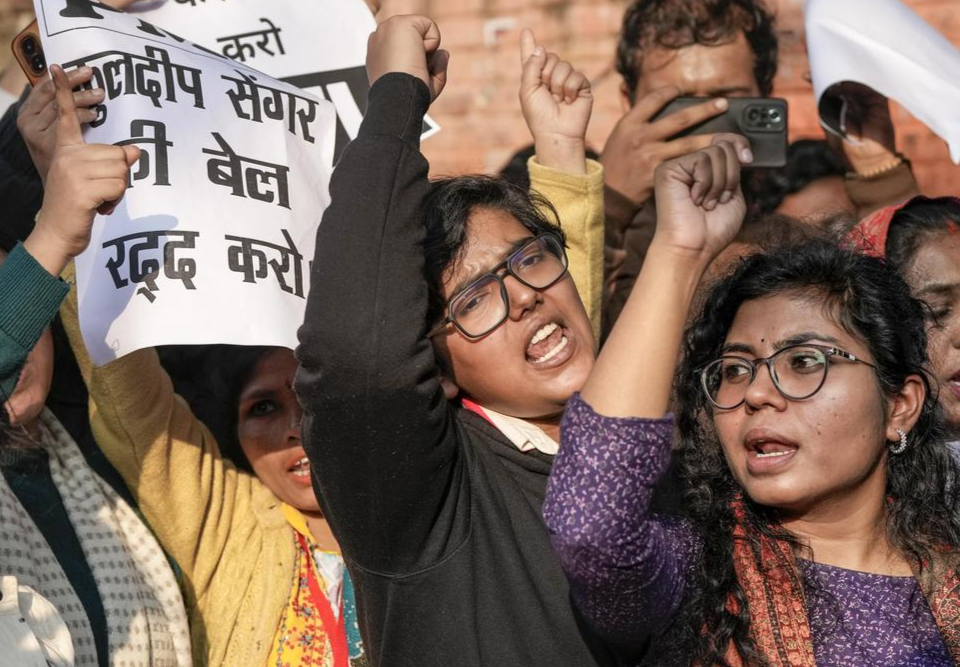
In a significant development in the Unnao rape case, the Supreme Court of India has stayed the Delhi High Court’s decision to suspend the sentence of former Uttar Pradesh MLA Kuldeep Singh Sengar and grant him bail.
Sengar, who was convicted in 2019 for the rape of a minor, will remain in prison during the pendency of his appeal against the conviction.
A bench of Chief Justice of India Surya Kant, Justice JK Maheshwari, and Justice AG Masih passed the order today, issuing notice on pleas challenging the Delhi High Court’s verdict. The High Court had earlier granted Sengar bail and suspended his sentence while allowing him to challenge his conviction. However, the Supreme Court’s ruling has now overturned that decision.
Sengar, a former BJP legislator, was convicted for the rape of a teenage girl from Unnao, Uttar Pradesh. The survivor, who had been subjected to both sexual assault and attempts on her life, became a symbol of the fight for justice in the country. The case gained national attention, particularly after allegations of political influence and attempts to shield Sengar from legal consequences.
The Delhi High Court’s order to release Sengar on bail while his appeal against conviction was being heard had raised concerns among the survivor’s supporters and many legal experts. They argued that the seriousness of the charges against him, including rape and murder attempts, warranted his continued detention. The High Court, while granting bail to Sengar, held that aggravated offence provisions under Section 5(c) of the Protection of Children from Sexual Offences Act and Section 376(2) of the Indian Penal Code were not attracted in the case, as he could not be categorized as a “public servant” within the meaning of those provisions. On that basis, it proceeded to suspend the sentence.
Challenging this decision, the CBI had contended that the High Court’s decision had the effect of diluting the protective framework of the POCSO Act, and was legally unsustainable given the gravity of the offence and the settled principles governing suspension of life sentences. The investigating agency takes strong exception to the High Court’s conclusion that an MLA does not fall within the definition of a “public servant” for the purposes of Section 5(c) of the POCSO Act.
The CBI had also flagged concerns about the safety of the victim, arguing that Sengar’s release poses a real risk given his past conduct and the influence he wields. It warned that suspending the sentence of a powerful convict in such circumstances undermines public confidence in the criminal justice system and sends a troubling message in cases of sexual violence against children.
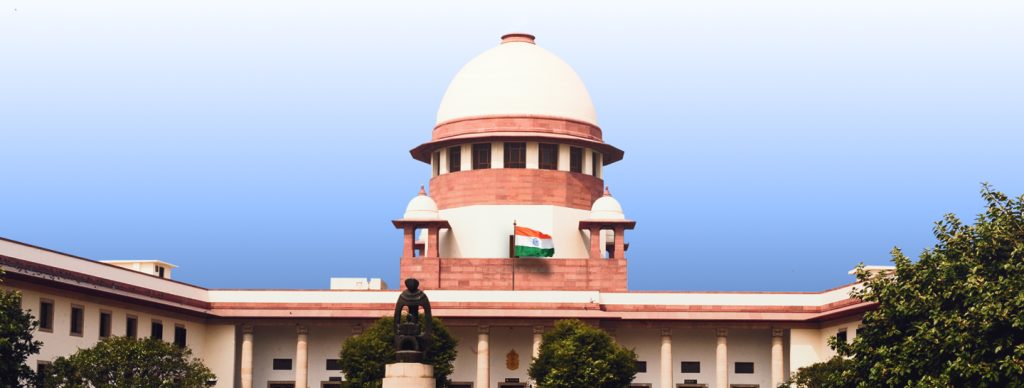
Today’s Supreme Court ruling has come as a relief to the survivor and her legal team, who had raised urgent concerns about the potential impact of granting Sengar bail. The apex court’s decision ensures that Sengar will remain in prison as the legal proceedings continue.
The Supreme Court has also scheduled the matter for further hearings, where both sides will present their arguments regarding the suspension of the sentence and the bail application. The court’s intervention underscores the importance of delivering justice in high-profile cases, particularly when the accused holds significant political power.
Sengar’s conviction and the subsequent legal battles have been one of the most talked-about cases in recent years, with the survivor’s fight for justice resonating with many who have faced similar struggles across the country. The case also sparked debates about the influence of power and politics in the Indian legal system, and the challenges of ensuring justice in such cases.
As of now, the survivor’s legal team has expressed hope that the Supreme Court’s ruling will pave the way for a fair and just outcome in the ongoing legal proceedings.