Despite global warming, which generally raises temperature baselines, La Niña winters traditionally bring colder temperatures, and experts say the 2025-2026 winter could be notably chillier
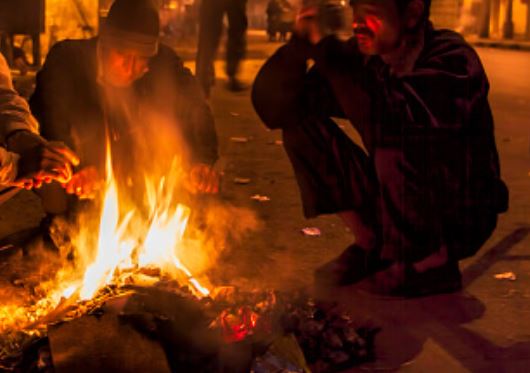
La Niña—the cooling phase of the El Niño–Southern Oscillation cycle—occurs when sea surface temperatures in the central and eastern Pacific Ocean drop below average. This shift alters wind and weather patterns globally, often bringing colder winters to northern India. This year, La Niña conditions are likely to intensify cold spells in the region, leading to more frequent cold wave days and lower night-time temperatures, according to meteorologists.
According to experts, the 2025 La Niña event is likely to cause colder and longer winters in northern India with more frequent cold waves and greater snowfall in the Himalayas—requiring preparedness in agriculture, infrastructure, and public health to mitigate impacts.
Basically, La Niña is a climatic phenomenon that originates far away from India but its influence on the Indian subcontinent is significant. Typically, La Niña events are associated with stronger-than-usual monsoon seasons in India. In the post-monsoon season (October to December), La Niña may also contribute to increased rainfall in parts of southern India—particularly Tamil Nadu and Andhra Pradesh, due to a more active northeast monsoon—all of which is happening.
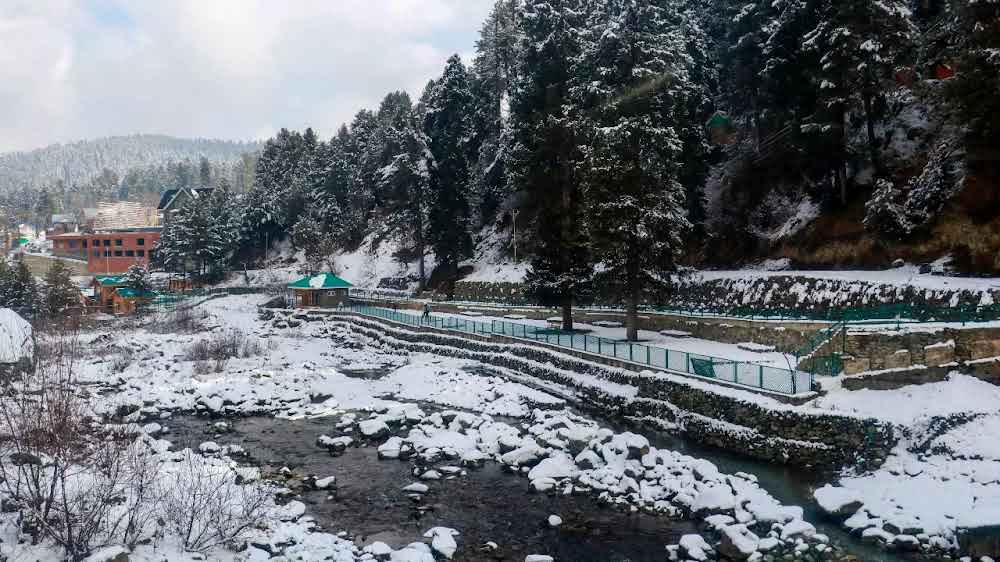
Temperatures generally tend to be slightly lower than average, especially during winter months. Cold waves in north India during La Niña tend to be more severe because clear skies allow rapid cooling at night, meaning that minimum temperatures could drop 2–4 degrees Celsius below normal, with cold wave conditions lasting several days when readings fall more than 4.5 degrees Celsius below normal.
Meteorologists forecast that this year’s La Niña is likely to bring more intense cold waves across northern India, including Delhi, Punjab, Haryana, and Uttar Pradesh. These regions may experience minimum temperatures dropping below average, accompanied by longer-lasting cold spells. The colder air is driven by stronger northerly winds that carry chilly air masses from Siberia and Central Asia southward. This cold wave effect is expected to extend even to some parts of western India like Gujarat and Maharashtra, though for shorter durations.
The Himalayan region will be particularly affected, with predictions of heavier snowfall and prolonged frost periods. While increased snowfall can benefit water resources and reservoirs, it also poses challenges for mountainous areas. Despite global warming, which generally raises temperature baselines, La Niña winters traditionally bring colder temperatures, which could impact agriculture by exposing winter crops like wheat, mustard, and vegetables to frost risks, and increase energy demand for heating in affected regions.