After record voter turnout in Phase I, will the trend continue in Phase II on Tuesday? The record turnout has strong implications for the political climate in Bihar and beyond. Both the ruling NDA and opposition Mahagathbandhan are interpreting these numbers to suit their individual narratives.
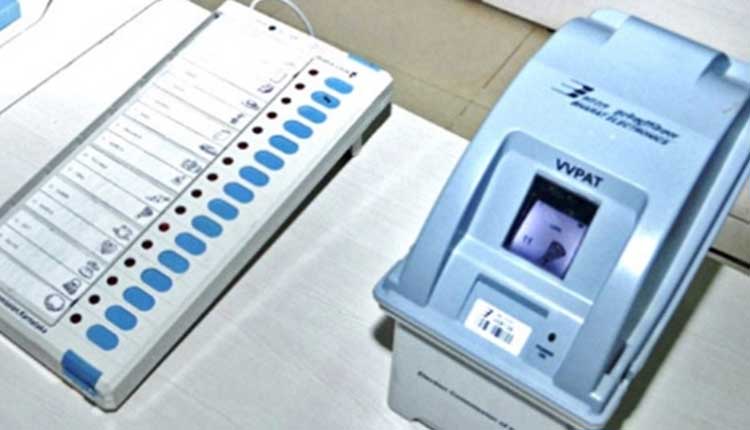
The 2025 Assembly elections in Bihar witnessed an unprecedented 65.08% voter turnout in the first phase—the highest in the state’s electoral history—pointing to an energized and highly engaged electorate and perhaps a change. According to analysts, the turnout surpasses the 57.29% recorded in the 2020 Assembly polls and the 56.28% in the 2024 Lok Sabha elections, reflecting a near 8% rise in voter participation compared to earlier elections. Overall, the increase in voting activity is interesting, signalling many changes in the outcome of this fiercely contested electoral battle.
Both the ruling National Democratic Alliance (NDA) under Chief Minister Nitish Kumar and the opposition Mahagathbandhan led by Tejashwi Yadav are interpreting these numbers to suit their individual narratives. As per the NDA, it is a reaffirmation of public trust in their governance and welfare initiatives, while opposition parties see it as an expression of anti-incumbency sentiment and a public desire for change. The question is, who is right? According to Jan Suraaj Party founder Prashant Kishor, this reflects the increased engagement of migrants.
This high voter engagement is set against the backdrop of complex caste-based politics, a bitter and intense campaign by major alliances, and the rise of a newbie—Prashant Kishor’s Jan Suraaj Party. The Election Commission’s Special Intensive Revision of electoral rolls, which removed around 65 lakh names to clean the voter list, may have played a role in influencing the turnout percentage, despite controversies, many analysts feel.
In any case, implications of this turnout are significant, they say, arguing that a politically aware electorate is calling for accountability, development, and job creation. The elections in Bihar, which send 40 members to the national Lok Sabha, are a critical test of Prime Minister Narendra Modi’s influence, Chief Minister Nitish Kumar’s leadership, and the anti-SIR campaign of the Leader of Opposition in the Lok Sabha Rahul Gandhi. As Bihar awaits the final phase of voting on November 11, the question is—will the 2025 Bihar elections be a landmark in the country’s electoral history?