From PM Modi to Rahul Gandhi to Tejashwi Yadav to Nitish Kumar, everyone is invoking his name and ideals, but who really carries Karpoori Thakur’s legacy
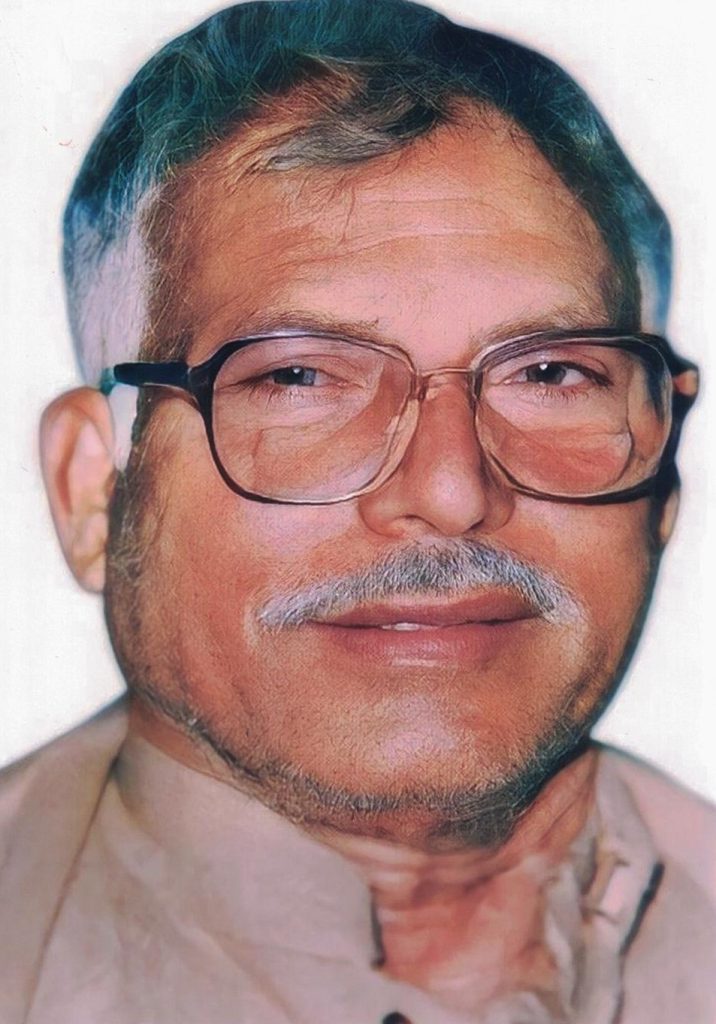
As the political landscape heats up in Bihar, the legacy of the late Karpoori Thakur has become a powerful tool being used by almost every major politician, from Prime Minister Narendra Modi to Congress leader Rahul Gandhi to Chief Minister Nitish Kumar and Mahagathbandhan CM face Tejashwi Yadav. But as the ideals of this iconic socialist leader are invoked, the question is who truly carries Karpoori Thakur’s legacy, and is it about honouring his ideals or simply leveraging his name for political gains/votes?
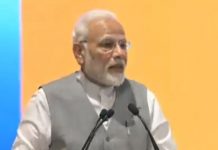
Prime Minister Modi paid tribute to Karpoori Thakur on his 101st birth anniversary, visiting his birthplace in Karpurigram, Bihar. In his speech, Modi spoke about how Thakur’s social justice work had paved the way for people like himself and Nitish Kumar—both of whom come from humble, backward castes—to rise in politics. The PM even recalled that his government had the “good fortune” to confer the Bharat Ratna, India’s highest civilian award, on Thakur the previous year. This recognition was long championed by regional leaders like Lalu Prasad Yadav and Nitish Kumar, who had pushed for the honour for years.
Thakur, who served as Bihar’s Chief Minister twice in the 1970s, earned the title of “jannayak”—leader of the people—for his unwavering support of the backward castes. Coming from ‘Nai’ (barber) caste himself, Thakur implemented significant reforms like removing English as a compulsory subject for matriculation exams, introducing alcohol prohibition, and prioritizing jobs for unemployed engineers in state contracts. His actions often challenged the status quo, especially in a state where political power was traditionally concentrated in the hands of upper-caste elites.
Karpoori Thakur also mentored several future political leaders, including Lalu Prasad Yadav and Ram Vilas Paswan, both of whom went on to become prominent figures from the Yadav and Dalit communities, respectively. Thakur’s contribution to social justice and empowerment of the backward classes is undeniable but till 2024 when he was awarded Bharat Ratna ahead of Bihar elections in 2025 there was not much talk about either him or his work.
The Congress questioned the sincerity of those invoking Thakur’s name. Ahead of Modi’s visit, Congress leaders reminded the public of the historical context: when Karpoori Thakur introduced OBC reservations it was Jan Sangh that helped topple his government. Congress leader Jairam Ramesh pointed out the contradictions in Modi’s position, highlighting that the BJP had once opposed Thakur’s policies and even subjected him to harsh criticism. He also accused Modi of being complicit in weakening Bihar’s 65% reservation law for backward classes, pointing out that his government had refused to support caste-based census efforts or safeguard the state’s reservation laws.
In poll-bound Bihar, Karpoori Thakur’s name has become a symbol of social justice and backward caste empowerment, but the question remains—are politicians truly following in his footsteps, or are they simply cashing in on his legacy for electoral gains?