The bottom line is reel-making can be a creative outlet or a side hustle, not a full-fledged job, sustainable professions involve skill development, steady income, and accountability
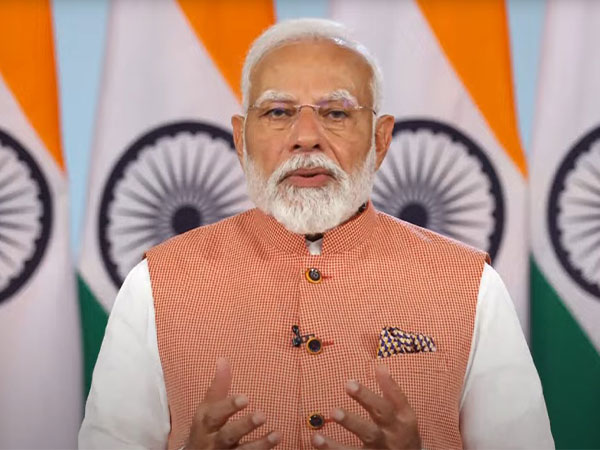
At a rally in Samastipur in poll-bound Bihar, Prime Minister Narendra Modi tried to strike a familiar chord with the crowd when he said, “1 GB data aaj ek cup chai se bhi sasta hai… aur yeh chaiwala ne hi kar dikhaya.” He went on to add that the youth of Bihar were benefiting from cheap data — “making reels, showing their creativity, and earning from it.” The remark quickly went viral, drawing applause from supporters and criticism from those who wondered if making reels can really be called a profession.
Modi’s statement may have meant to highlight India’s affordable internet revolution and the opportunities it brings, social-media content creation, it cannot be equated with a stable profession. Most creators do not earn a consistent income, and the platforms themselves control visibility and monetization through unpredictable algorithms. For every influencer earning online, there are thousands of young users chasing views without security, benefits, or long-term prospects.
Digital access may have changed India’s social fabric, but is data really so cheap?
Observers say PM Modi’s “reel economy” remark portrays his characteristic campaign style — a blend of symbolism, optimism, and political messaging. PM Modi may have been highlighting digital opportunity — but in Bihar, which consistently ranks among the states with the highest youth unemployment and migration rates, lakhs of young people leave every year to work as labourers or daily wage earners in other states. Besides, the number of young people who actually earn a livelihood from content creation is small compared to the millions seeking steady jobs. Calling it an “opportunity” is oversimplifying a far more serious issue — joblessness, skill gaps, and lack of industry in Bihar, they add.
Supporters argue that Modi was celebrating affordable data as empowerment, not claiming that reel-making is a replacement for traditional employment. In his larger narrative, technology represents possibility — the idea that even a villager with a smartphone can dream big.
Perception matters in politics, and the jury is out.