The “Jungle Raj” theme works as a defensive and emotional weapon, reminding voters why they once rejected the RJD. It can consolidate NDA’s core vote and older demographics. But it won’t automatically win new voters unless it’s paired with a strong narrative on jobs, migration, and growth — issues that dominate Bihar’s youth mindset today.
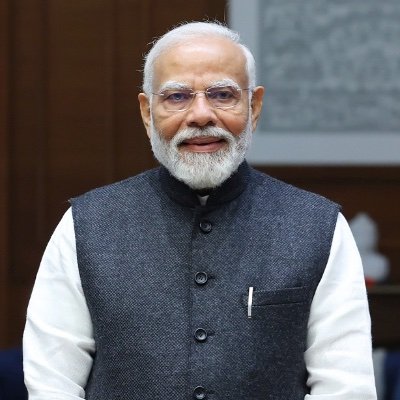
With the Mahagathbandhan making Tejashwi Yadav, son of former Chief Minister Lalu Prasad, as its official face now, the BJP-JD(U) led ruling NDA has made the return of “Jungle Raj” its central campaign issue, seeking to counter the opposition coalition led by the Rashtriya Janata Dal (RJD). Prime Minister Narendra Modi, who will visit Bihar on October 24 to launch the NDA campaign with rallies in Samastipur and Begusarai, has already sharpened the attack on the RJD-Congress combine, framing the contest as one between “Vikas Raj” and “Jungle Raj.”
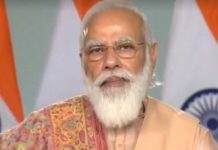
Addressing young BJP workers via the NaMo App, Modi urged them to campaign jointly with NDA allies, declaring, “Raftaar pakad chuka Bihar, phir se NDA sarkar.” He said Bihar’s growth under a stable government must not be derailed, contrasting it with the RJD’s earlier rule marked by corruption and crime. “Biharis will never forget the Jungle Raj era — the fear, the lawlessness, the misgovernance. We must ensure it never returns,” Modi said.
The PM also took a swipe at the opposition’s INDIA bloc, calling it a “lathbandhan” — a coalition of criminals — and accused its leaders of being out on bail and prioritizing self-interest over youth and development. Modi linked the opposition to Naxalism and Maoist extremism, urging party workers to expose their record while focusing on youth outreach. He directed workers to engage first-time voters, involve senior citizens in recounting their experiences of the “Jungle Raj,” and campaign intensively over the next 20 days.
Party leaders including BJP national president J.P. Nadda and Bihar unit chief Dilip Jaiswal have echoed Modi’s message, warning voters against “Jungle Raj 2.0.” The party’s communication strategy revolves around contrasting NDA’s decade of governance with the RJD’s past, presenting the election as a choice between progress and regression.
The BJP’s campaign theme — “Jungle Raj vs. Vikas Raj” — is expected to dominate the final leg of the election drive as Modi begins his Bihar tour on October 24. Bihar votes in two phases on November 6 and 11, with results to be declared on November 14. The “Jungle Raj” theme works as a defensive and emotional weapon, reminding voters why they once rejected the RJD and Lalu Prasad Yadav. It can consolidate NDA’s core vote and older demographics. But it won’t automatically win new voters unless it’s paired with a strong narrative on jobs, migration, and growth — issues that dominate Bihar’s youth mindset today. In short, if the election becomes a referendum on the past, BJP gains. However, if it turns into a debate about the future, the opposition gains.