A Tehelka SIT investigation reveals how fake guarantors and middlemen are turning the bail process into a thriving black market, exploiting legal loopholes and court routines.
“Give me two days. In two days, I’ll arrange fake documents for the fake bail of your accused. Once he’s out, he can skip court dates and disappear wherever he wants,” said Munazir, a broker who arranges fake guarantors for fake bails, to Tehelka’s undercover reporter.
“Once we’ve taken the money from you for the fake bail, you don’t need to worry any more. Your work will be done. And it doesn’t matter if the accused flees after getting bail,” Munazir said further assuring the reporter.
“We will charge Rs 30,000 for four fake guarantors. Out of that, you have to pay Rs 4,000 today—this will be given as token money to the guarantors. The remaining Rs 26,000 you can pay on the bail day,” he added.
“Tell your lawyer to guard against letting slip in court that the bail guarantors are fake. While I can’t take responsibility for your case myself, I have a friend—Munazir—who will get the job done. He has the right people for it,” said Suraj Chand, Munazir’s associate, who accompanied him to the meeting with Tehelka’s undercover reporter.
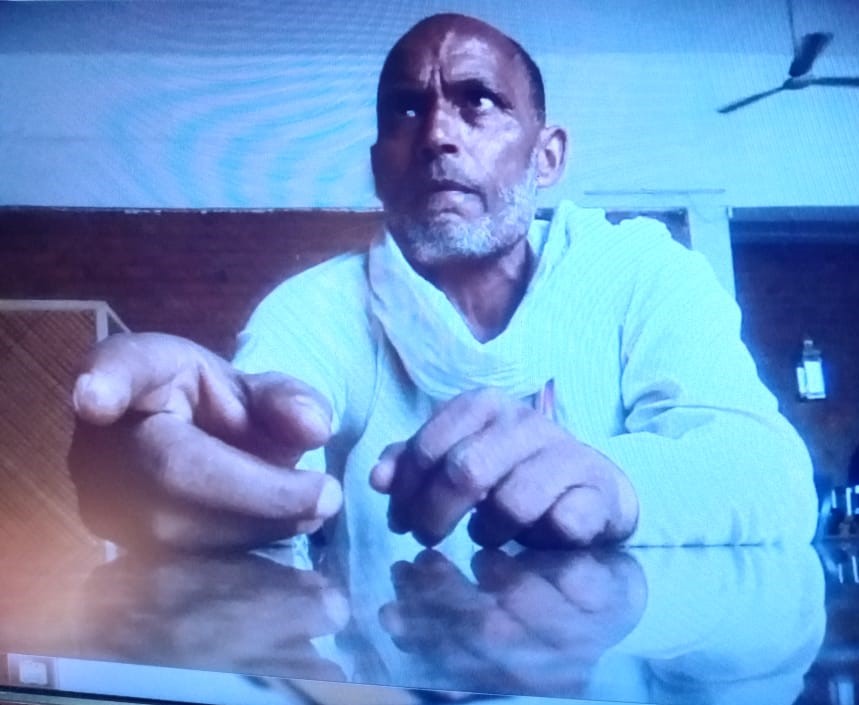
“Becoming a bail guarantor has become a booming business. I’ve stood as guarantor in many cases in exchange for money. The amount varies from case to case—once I charged Rs 30,000, sometimes Rs 10,000 to Rs 5,000. Rates in Rajasthan are very high—there, people charge Rs 15,000 to Rs 20,000 per bail. In Jharkhand, it’s around Rs10,000,” said Irshad Ahmed to Tehelka’s reporter.
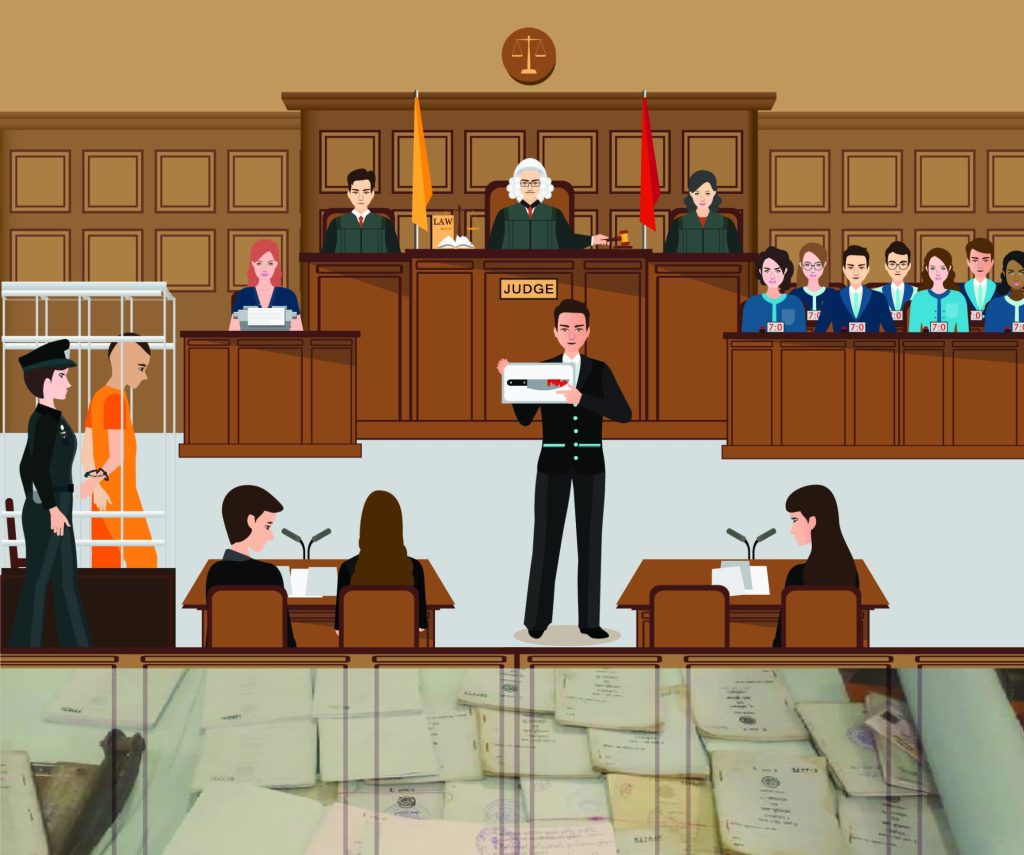
Bail refers to the release of a person arrested for a crime, either on their own recognizance or after providing a guarantee—usually money or property—to ensure their appearance in court at a later date. Bail is a temporary release from custody, not a determination of guilt or innocence. It serves as a promise, often backed by money, that the accused will attend all scheduled court hearings.
In many cases, the accused is required to present a surety—a person who acts as a guarantor to ensure the accused complies with bail conditions. This is also known as a bail bond. But increasingly, in some cases, these guarantors are turning out to be fake. On the request of the accused, they submit forged documents in court. Once released, the accused often absconds, never appearing for future court dates. Police then struggle to trace the guarantors, as their documents are also fake.
This form of manipulated release has come to be known as ‘fake bail’—and it has grown into a major scam in India. Fake bails typically happen in cases involving surety amounts of Rs 20,000 or less, where guarantor police verification is not mandatory. In contrast, bails involving sureties above Rs 20,000 require police verification of guarantor credentials, making it harder to secure a ‘fake bail’ in those cases.
Given the widespread presence of the fake bail mafia in India, Tehelka decided to undertake a long-overdue investigation—one that had never been done before. Our undercover reporter, posing as a fake client, approached a few individuals in Amroha, a district in Uttar Pradesh through a middleman. According to an operator, he could arrange two guarantors via a lawyer based in Amroha who regularly sent people to court to act as guarantors.
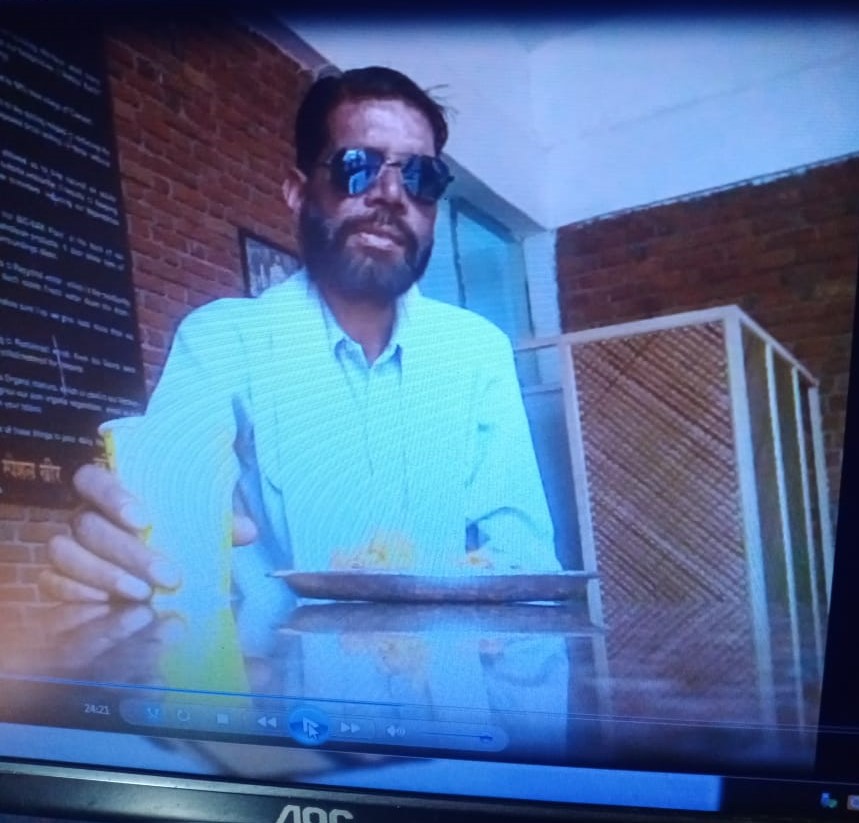
The middleman brought Munazir (who goes by his first name) and Suraj Chand from Amroha to meet us at a restaurant in Gajraula, Uttar Pradesh.
We gave Munazir and Suraj a fake brief: that our driver from a village in Moradabad district had been arrested for theft, and we needed a fake bail guarantor for his release. Munazir confidently assured us he could arrange fake documents and guarantors, but he would need two days. He also guaranteed that after securing bail, our driver could disappear and would not be required to attend future court hearings.
The fake case we presented involved a surety of Rs 20,000—just low enough to bypass the requirement for police verification of the bail guarantor. In the following exchange, the reporter poses as a client seeking a fake bail.
Reporter- Hamey karwani hai farzi zamanat.
Munazir- To hame do din ka time de do.
Reporter- Do din mein kya karogey?
Munazir- Do din mein farzi kagaz de dunga, aur hamare yahan par zamanat karwake, driver kahin bhi bhage…kahin bhi jao.. aao mat aao!
Reporter- Driver kahin bhi zamanat karwakar bhag jaye?
Munazir- Kahin bhi raho, aao na aao….. zamanat ho jayegi.
[Munazir speaks with alarming confidence, hinting at how casually fake bails are arranged. What we see here is how system is manipulated to wangle a bail for the accused and help him vanish thereafter.]
When asked why he needed two days for the bail, even though the bail was scheduled for that day, Munazir said he required time to arrange guarantors. As surety, he said, he would submit fake documents of land belonging to the bogus guarantors. He added that if the lawyer—through whom he had come to meet us—had informed him in advance that this was a fake bail case, he would have arranged the fake guarantors for us the same day. He claimed the lawyer involved never informed him earlier, which led to the delay.
Reporter- Do din kyun maang rahe ho… zamanat to aaj hai ?
Munazir- Arey aise na hoga, time to lagega.
Reporter- Farzi kagaz mein kya lagaogey aap?
Munazir- Yahi.. zameen ki meri.
Reporter- Hai aapke pass?
Munazir- Mere pass nahi hai auron k pass hai. Mujhe agar bata detey aaj sawere, mein aaj hi karwa deta.
Reporter- Wakil saheb ne to isliye bheja hai, Irshaad se to dus din se baat ho rahi hai meri.
Munazir- Vakil saheb ne ye baat na batai mere se.
[The network seems loosely connected, working through middlemen and unclear timelines. What’s clear is that fake land papers are key to pulling off the scam.]
Here, the reporter seeks a final assurance before proceeding. He asks Munazir if the job will be done smoothly and without any trouble. Munazir confidently promises that everything will go through without a hitch.
Munazir- Kaam poora hoga.
Reporter- Pakka, zimmedari le loon?
Munazir- Haan!
Reporter- Mujhe ek cheez bata do.. aapko mein acha laga aur mujhe aap, ek baat batao imaandari se… kaam ho jayega.. kahin atkega to nahi ?
Munazir- Kahin nahi atkega.
[The ease with which guarantees are given shows how routine this illegal work has become. What’s clear here is the broker’s full confidence in getting fake bail done without any hurdles.]
In order to allay our reporter’s apprehensions, Munazir told him that he had been involved in fake bail cases before and assured us that our work would be done without any problem.
Reporter- Ye batao jo aap farzi zamanat karwaogey hamare bandey ki usmein aisa to nahi aage koi pareshani ho?
Munazir- Hai jayego….(ho jayega).
Reporter- Aap kara chuke ho pehle?
Munazir- Haan…
[This brief exchange lays bare the comfort with which fake bails are arranged. When the reporter wants to be sure there won’t be any trouble later if they go ahead with a fake bail, Munazir confidently says it will go through.]
Munazir now advised us not to use the word “farzi” repeatedly during our interaction, after we mentioned that we needed fake guarantors. He said our focus should be on securing bail for our client and that, for our own safety, we should avoid using the word “farzi” again and again.
Reporter- Ye to 1 bol rahe hain mujhe 2 chaiye they farzi ?
Munazir- Tum farzi ka naam hi mat lo, 4 dila denge zamanati. Farzi ka naam mat lo, tumne baat khol di bas.
Reporter- Arey mein aap se to baat kar sakta hoon?
Munazir-Hum ne keh diya na original denge, farzi ho farzi..
Reporter- Hoga wo farzi
Munazir-Tum farzi ka naam hi mat lo…aapko apni zamanat se matlab.
Reporter- Aapse to mein baat kar sakta hoon?
[Now, Munazir grows uneasy at the repeated use of the word farzi, warning us not to mention it. This reveals that while these operators appear unfazed about doing illegal work, there is still a trace of fear somewhere within.]
As the talk progressed, Munazir told the Tehelka reporter that since he was taking money for the fake bail, he would ensure the job was done. He assured us that it wouldn’t matter even if the accused absconded after getting bail.
Munazir- Jab paise hum bharpoor le rahe hain, to tumhe ussey kya tension,..tum par koi tension na aane denge.
Reporter- Kaisi tension?
Munazir- Kaisi bhi…tumhe to hum zamanat kara ke denge..chahe mulzim bhag jaaye.
[The claim shows how deep the fraud runs—payment ensures protection, no matter what. The conspirators are not even concerned even if the individual out on the bail runs away and does not appear in the court ever after.]
Now Munazir talks about the money he will charge for arranging the “fake bail”. He demands Rs 30,000 for arranging four guarantors. Out of this, he asks for Rs 4,000 in advance with the remaining Rs 26,000 to be paid at the time of bail. According to Munazir, Rs 4,000 will be given to the guarantors as advance payment.
Munazir- Ek to 30 hazar maan k chalo.
Reporter- 30 k ..kaam ho jana chahiye ?
Munazir- Koi kare..ho jayega.
Reporter- Ho jayega pakka, aapki hamari baat pakki hai…? Acha paise advance logey , kaise loge ye bata dena ?
Munazir- Paise jab zamanat par jayenge. Poorey 30 hazar.
Munazir- Aaj 4 hazar de do.
Reporter- Accha!.. aur baki 26 hazar?
Munazir- Us din zamanat ke baad.
Reporter- Bas dekh lena aisa na ho hum par koi baat aaye?
Munazir- Na aayegi.
Reporter- Agar driver bhag gaya hamara to hum par baat na aaye… wo aap dekh lena?
Munazir- Haan.
Reporter- Aap kya keh rahe ho court mein jab aap aaogey?
Munazir- Ab hum zamanatiyon se baat karenge, tumne kharcha de diya, hum unhe jakar thamaenge.
Reporter- Ye unko de dogey Rs 500?
Munazir- Na ye to mere hai aane jaane ke..unhe jakar denge paise ke ye rakho.
Reporter- acha Rs 4000 unko dogey.
[This detailed exchange shows how money decides everything—risk, process, and people. When the reporter raises concern about possible trouble if the accused flees, Munazir confidently says nothing will happen.]
Munazir confessed to Tehelka that he regularly appears as a guarantor in bail matters, which is why a lawyer from Amroha had sent him to meet us through a middleman. He said he earns between Rs 1,000 and Rs 4,000 for each bail he stands in as a guarantor.
Reporter- Accha aap zamanat karate rehtey ho isilye wakil saab ne aapko bulaya hai.. kitne mil jaate hain ek zamanat par aapko?
Munazir- Arey iska to kuch aankda hi na hai…
Reporter- Phir bhi?
Munazir- 3 bhi, 4 bhi, 2 bhi…
Reporter- lakh?
Munazir- lakh mil jaaye to kya baat hai.
[Here, Munazir admits to regularly arranging fake bails and earning sum in the bargain. This tells us that fake bail deals can fetch considerable sums to the conspirators, depending on the case. Clearly, it’s not just a side hustle—it’s a profitable racket running deep.]
Suraj Chand, an associate of Munazir who came to meet us along with him, refused to take up our work himself but pointed to Munazir as the right person for the job. According to Suraj, Munazir would get the fake bail done without any difficulty, as he knew people involved in this line of work. Suraj also advised us to tell our lawyer to be circumspect and guard against raising any suspicion in court about the guarantors being fake.
Suraj- Vakil se keh dena bole na ki hum nakli zamanat kar rahe hain court mein kisi se, bas ye kara de, 4 aadmi bhej denge.
Reporter-Kara denge nakli zamanat?
Suraj- Nakli ho ya asli ho.. kara denge.
Suraj- Mein guarantee nahi lunga, magar mujhe pata hai ye kara denge.
Reporter- Kya naam hai inka?
Suraj- Munazir- ..inke hain kai chele…mujhje pata hai ye kara denge.
Reporter- Nakli zamanat wale?
Suraj- Nakli wale nahi hain wo hain to asli waale lekin wo inse nahi batayenge, ye kaam karenge asli ab wo nakli ho jaaye, ye baat hai…
[What we see here is a blurred line between real and fake, used conveniently to serve a shady purpose. It shows how these middlemen play both sides with confidence.]
It’s not just fake bail that’s being used to make money—even normal bail has become a source of income. Overall, bail has turned into a big business. Our middleman, Irshad Ahmed (name changed), from Delhi is earning well through it. Irshad, who has acted as a guarantor before, defends the business of bail as ‘genuine’. He admits to backing accused in serious non-bailable offences. When questioned about the risk, he shrugs it off, saying once bail is granted, the rest is the court’s concern—even if the accused disappears.
Reporter- To ye to acha business hai zamanat wala!
Irshad- Genuine bhi hai, genuine aadmi ne genuine tareeke se kar diya.
Reporter- Genuine kar to diya magar risk bhi to hai bhai…bhai aapne kitni zamanat de di hongi aajtak genuine wali.
Irshaad- 2 di hai.
Reporter- Kaun- kaun se case they?
Irshad- Maine di hai… 23 tha 352 tha.
Reporter- Ye kya hota hai ?
Irshad-23 maar peet karna aur 352 ghar mein ghuskar maarna…147, 148 …188 sarkari karamchari par haath uthana.
Reporter- Ye sab bailable hai.
Irshad- Na…non-bailable hain.
Reporter- Inki zamanat di hai tumne…kya ye risk nahi hai.?
Irshad- Jab court ne zamanat de di to case chalta rahega.
Reporter- Jaise ghar wale zamanat nahi detey hain kal ko bhag gaya to kya hoga?
Irshad- Hain to court ke pass 25 hazar jama…warrant aayegi, police aayegi warrant lekar…kya hoga bol denge mil nahi raha mulzim…khatam kahanai.
[This shows how lightly some guarantors treat serious charges and legal duty. What we learn is that the risk, though real, is dismissed as a routine part of the game.]
When asked why there is such a high demand for guarantors from outside, and why the accused’s family members are not stepping in as guarantors, Irshad explained that families often lack the required documents or property to furnish as surety. That is why outsiders step in as guarantors—and charge money for it. He details how fixed deposits or even motorbikes are used as surety, depending on the case.
Reporter- Mujhe ye batao ek cheez jo mulzim hota hai uske ghar wale nahi hotey jo zamanat denge?
Irshad- Hotey hain.
Reporter- To wo zamanat kyun nahi detey. bahar zaroorat kyun hoti hai ?
Irshad- Unke documents nahi hain, property nahi hai, court jo hai registered property mangta hai.
Reporter- Har zamanat par?… chahe chota case ho ya bada?
Irshad- Ab jaise chota case hai hamne amount fix kar diya court ko 20 hazar ka to motorcycle tak chal jaati hai…aur model agar upper hai to 50 hazar tak ki bhi chal jaati hai.
Reporter- Murder aur rape case mein kitna hota hai?
Irshad- 50k bhi hai.. lakh bhi hai…
Reporter- Matlab lakh rupees ki koi cheez honi chahiye wo girwi rakhni padegi court mein?
Irshad- Wo court mein rakh lenge, FD jo hai mohar lagakar apne pass rakh lenge.
Reporter- Wo FD aap tudwa nahi saktey.. jab tak case chalega?
Irshad- Na…jo paisa badega wo aap par hi badega.
Reporter- Jaise meri 10 lakh ki FD hai aur zamanat hai 1 lakh ki usko maine rakhwa diya, usmein 1 lakh hi to khatam hoga poore 10 lakh thodi khatam ho jayenge?
Irshad- Haan.
Reporter- 9 to nikal sakta hoon mein,…aisi baat thodi hai ki gharwalon ke pass kuch hoga hi nahi.
Irshad- Bahuton par nahi hai.
Reporter- Bhai hai biwi hai, sasur, saala kisi ke naam to kuch hoga?
Irshad- Delhi mein kiske naam registry hai?
Reporter- Jo theek thaak reh rahe hain un sabke pass hai.
Irshad- Unke pass ek hi to hai ab agar do aadmi phas jaatey hain.
Irshad- Ab mera case hua tha.. jab 5 zamanati chahiye they.
Reporter- Aapka case tha?
Irshad- Ek baar jhagda hua tha maar peet hui thi, koi rishtedaar bhi taiyar nahi tha.
Reporter- Kyun?
Irshad- Darte hain log. Hamara ye ho jayega… wo ho jayega!
Reporter- Jabki propery thi sabke naam?
Irshad- Haan. Isliye maine majboori mein FD karai 25 hazar ki…. zamanat se pehle.
[As we come to know through this exchange why accused persons often can’t find family members to stand as guarantors, Irshad shares a personal experience, saying he had to arrange an FD himself when even his relatives refused to help despite owning property.]
Fake and normal bail has become a big business in India. We often read reports in the Indian media about gangs involved in fake bails business being busted. There are reports about a multi-crore bail bond scam running for years in the Railways, where the CBI has made several arrests. The three characters in Tehelka‘s investigation—Munazir, Suraj, and Irshad—all admitted that they earn money by “arranging” bails. According to Irshad, he has charged anywhere between Rs 30,000 and Rs10,000–15,000 for each bail. Munazir too quoted his rate for the job. Irshad further claimed that Rajasthan is more expensive in terms of bail money, as lawyers there struggle to find guarantors. In Rajasthan, a guarantor charges between Rs15,000 and Rs 20,000 per bail, while in Jharkhand, the rate is cheaper—around Rs 10,000, he said.
When Munazir and Suraj came to meet us through the middleman Irshad, they gave the impression that the bail in question was genuine. They said the accused should appear regularly on court dates, or else they, as guarantors, would face consequences. But when we told them that ours was a fake bail case and the accused had no intention of appearing in court, Munazir agreed to help by arranging four fake guarantors. Suraj himself refused to get directly involved but assured us that his associate Munazir would handle it. Munazir demanded Rs 30,000 for arranging the four fake guarantors. He told us that had the lawyer, through whom he had come to meet us, informed him earlier that the bail was fake, he would have brought the guarantors along. Now, he said, he would need two days to arrange them. According to Irshad, it is often the lawyers who require guarantors—fake or real—to secure bail. It was, in fact, through a criminal lawyer from Amroha that Irshad arranged both Munazir and Suraj for our fake bail request, suggesting this has become a regular practice in their circle.
During the investigation, a brief altercation occurred between Tehelka’s undercover reporter and the accused. Of the two who came to meet us, Munazir in particular grew suspicious of the reporter’s intentions. He suspected he was being recorded. At one point during the conversation, Munazir reached for the reporter’s mobile phone, which was kept on the table, and asked him to remove it, saying phones can record audio. He even covered his face with a piece of cloth from around his neck for a few minutes to avoid being captured on video. Later, once the reporter convinced them that no recording was taking place, the two relaxed and resumed the discussion—assuring the reporter that the fake bail would be arranged through them. However, the next day, after we returned to Delhi, the middleman Irshad received a threatening call from the duo. They accused him of bringing a media person to record them, but added that they were not afraid and that he could do whatever he wanted.