In the early months of 2026, Bangladesh found itself under a spotlight for all the wrong reasons. A series of violent incidents targeting its Hindu minority has rattled communities, inflamed public opinion in India, and raised delicate questions about the broader geopolitical landscape of South Asia. These events, while tragic on an individual level, have acquired significance far beyond local borders — testing diplomatic ties, historical bonds, and the resilience of pluralism in a nation that has long projected itself as a secular identity in a Muslim-majority context.
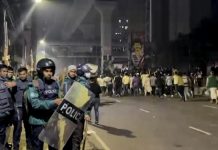
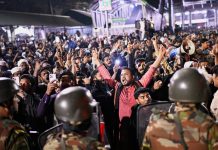
The most alarming reports have emerged from southern and eastern districts of Bangladesh, where several Hindu individuals have been attacked, and in some cases, killed in mob violence. At the heart of the controversy are reported attacks on Hindus, including the recent brutal killing of a Hindu auto‑rickshaw driver, Samir Kumar Das, in Bangladesh. Das, a 28‑year‑old resident of Feni district, was beaten and stabbed to death by a mob—a stark illustration of the vulnerabilities faced by religious minorities in a period of political flux. These incidents are not isolated: for many Hindu families, fear of targeted attacks has become a daily reality. Stories of shopkeepers threatened for their faith, farmers beaten over local disputes that turn communal, and young men attacked for mere association with religious traditions underscore a broader anxiety that has been building quietly for years.
While precise statistics are difficult to confirm, anecdotal accounts indicate a surge in violence coinciding with political transitions in Dhaka. Minority communities report that even ordinary social interactions — visiting a temple, attending a festival, or commuting to work — have become fraught with risk. The psychological impact is profound, with parents afraid to send children to school and workers hesitant to travel, undermining both social cohesion and economic stability. Hindus in Bangladesh historically formed a substantial minority community, with deep cultural, economic, and social contributions to the region. Yet over decades, their numbers have steadily declined due to migration, marginalisation, and periodic instability. Many Hindus in Bangladesh now say they feel insecure, fearful of both targeted and random violence.
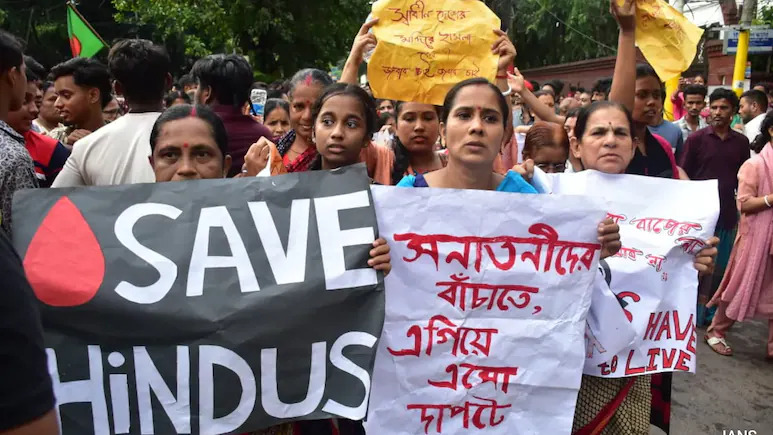
Such sentiments have stirred public discourse in India, where Hindu organisations and civil society groups have protested against what they describe as “atrocities” and called for international attention. In some Indian cities, protests have erupted against the violence, with activists demanding accountability from both Dhaka and global institutions.
Bangladesh’s current unrest cannot be divorced from its political backdrop. The exit of long-serving political leadership has created a transitional phase that some analysts argue has weakened governance and law enforcement. In such vacuums, marginalized communities often bear the brunt of unrest, and in Bangladesh, the Hindu minority has historically been particularly vulnerable during periods of instability.
The interim government faces the dual challenge of asserting authority while balancing domestic political pressures. Reports of violence against minorities, regardless of scale, risk eroding public confidence in state institutions. Observers note that the perception of impunity, even if unintentional, can embolden perpetrators and sow fear among targeted populations.
India’s reaction has been swift and vocal. With millions of Hindus in West Bengal, Tripura, and Assam having familial and cultural ties across the border, New Delhi’s concern is both humanitarian and political. Civil society groups, opposition parties, and media in India have amplified these incidents, pressing the government to demand accountability from Dhaka. Ministry of External Affairs (MEA) has repeatedly expressed concern, highlighting a “disturbing pattern of recurring attacks on minorities” and urging Dhaka to take swift action to protect vulnerable communities.
Diplomatically, India faces a delicate balancing act. Pressing too hard could be perceived as interference, yet silence risks domestic criticism and potential destabilization along the shared border. The situation has revived debates over how India navigates regional sensitivities while protecting cultural and religious bonds that transcend national boundaries.
The Hindu minority in Bangladesh is not new to vulnerability. Historical events — from the Partition of 1947 to the Liberation War of 1971 — have left an enduring imprint. The community has steadily declined over decades due to migration, persecution, and economic marginalization. Every new episode of violence revives old memories, amplifying anxiety and complicating reconciliation efforts.
For many Hindus, these attacks are more than isolated crimes; they symbolize an ongoing struggle to assert presence, identity, and security in a society where political flux often intersects with religious fault lines. Unlike previous generations, however, today’s population is more vocal, more connected, and able to broadcast incidents quickly across social media platforms, bringing global attention to local crises.
The violence has added strain to the historically complex yet cooperative relationship between India and Bangladesh. While economic, cultural, and strategic partnerships have flourished in the past, these events have placed minority rights at the center of bilateral discourse. Border management, cross-border trade, and connectivity projects now exist against a backdrop of heightened political sensitivity and public scrutiny.
Indian policymakers must consider both immediate and long-term consequences. Short-term pressures include managing domestic political reactions and providing humanitarian support for affected communities. Long-term strategies involve ensuring that shared interests — from trade and energy cooperation to counterterrorism — remain resilient, even as political dynamics in Dhaka evolve.
Adding another layer to this complex landscape is Pakistan’s renewed interest in cultivating influence in Bangladesh. Reports of proposed defense cooperation, including potential arms sales and training initiatives, highlight Islamabad’s intent to engage Dhaka strategically.
For India, this development is significant. Any strengthening of Pakistan-Bangladesh ties could shift regional alignments, particularly in the context of India’s historic influence in Bangladesh. While the situation remains fluid, the interplay of domestic unrest and international strategy demonstrates how internal violence can have far-reaching consequences beyond borders.
Protecting minorities in Bangladesh requires a multi-pronged approach. Strengthening local law enforcement, ensuring rapid investigation of crimes, and visibly prosecuting perpetrators are essential. Equally important is fostering community engagement and social dialogue to rebuild trust across religious divides.
For India, constructive diplomacy remains key. Rather than confrontation, collaborative initiatives that encourage accountability, social cohesion, and cross-border humanitarian support are more likely to yield long-term stability. At the same time, monitoring Pakistan’s engagement with Dhaka is necessary to anticipate shifts in the regional balance of power.
The situation of Hindus in Bangladesh is emblematic of a larger challenge facing South Asia: how to safeguard minority rights, uphold democratic norms, and maintain regional stability amid political turbulence. Every attack, every injustice reverberates far beyond the immediate victims, influencing diplomatic relations, domestic politics, and social cohesion across borders.
As Bangladesh navigates its transitional phase, the eyes of neighboring countries, global institutions, and international observers remain fixed on how it reconciles its political imperatives with the fundamental rights of its citizens. For Hindus living under threat, the stakes are profoundly personal — the difference between fear and security, invisibility and recognition, survival and loss.
For India, Bangladesh, and Pakistan alike, this is not merely a story of violence; it is a test of regional maturity, strategic foresight, and moral responsibility. Ultimately, the question is not only about violence and its immediate victims, but also about the values that bind plural societies together—justice, equal protection, and the rule of law. As Bangladesh navigates its political transition, the international community, regional neighbours, and domestic actors alike will be watching closely to see how these values are upheld.