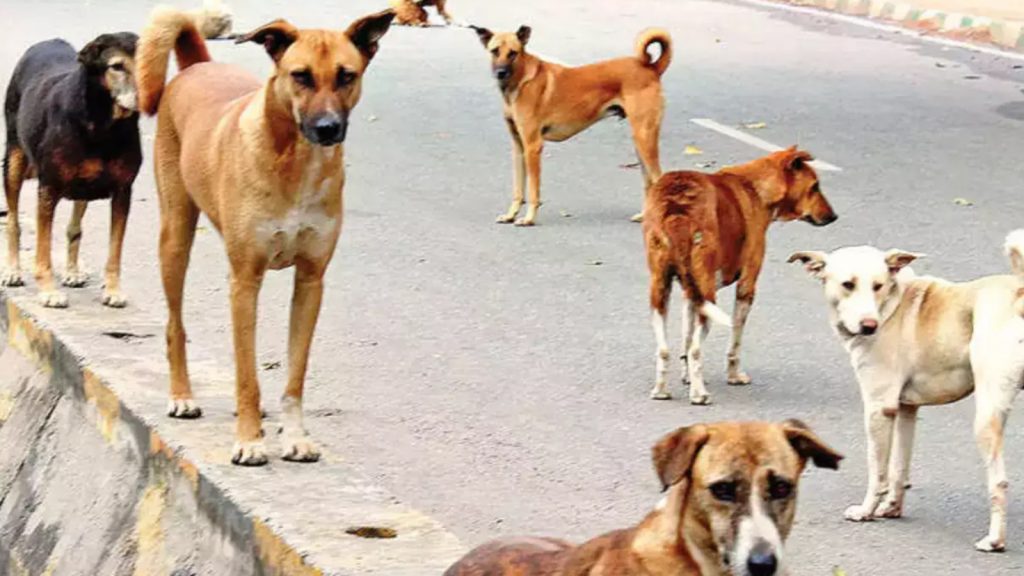
A day after the Supreme Court directed that stray dogs be relocated from public institutions to designated shelters, Mumbai civic officials reportedly said the city has only eight shelters for an estimated 90,000 stray dogs — highlighting a major logistical challenge in implementing the order.
Meanwhile, the Humane World for Animals India—an animal protection organisation—s voiced strong concern over the directive, calling it “unsustainable and counterproductive.” The organisation said the move ignores existing laws and scientific approaches that have guided India’s animal welfare framework for decades.
“The directive lacks consideration of the law established by Parliament, the infrastructure of our public institutions, and the lives of street dogs in India. Such a sweeping order again risks displacement and death for lakhs of community dogs across India,” the group said in a statement.
It further cautioned that removing community animals from their territories and permanently relocating them to shelters — most of which do not exist — would worsen the very issue the Court aims to address. “Removing community dogs creates territorial vacuums, leading to the re-entry of unsterilised and unvaccinated dogs, increasing human–dog conflict,” it added.
Animal welfare experts argue that the Animal Birth Control (ABC) Rules, 2023, and long-standing Supreme Court judgments already recognise the sterilise–vaccinate–return model as the only sustainable and compassionate method to manage the stray dog population. “Relocating dogs to shelters is impossible at scale, given the lack of infrastructure, capacity, and resources,” Humane World for Animals said, urging the Court to consider the inputs of organisations working on the ground and the progress made through community engagement.
On Friday, the Supreme Court directed authorities to remove stray dogs from public spaces such as schools, hospitals, bus stands, railway stations, and sports complexes. The dogs are to be sterilised and vaccinated in shelters but not released back to the same locations. Municipal bodies were asked to conduct regular inspections and ensure fencing or walls around such premises to prevent re-entry.
The ruling followed rising concerns over dog bite cases and public safety incidents that have affected citizens, tourists, and India’s image abroad. The Court emphasised the need to prioritise the safety of children, the elderly, and hospital patients.
In the same judgment, the Supreme Court also ordered the removal of stray cattle from highways and expressways to reduce road accidents, directing the formation of dedicated patrol teams for enforcement.